Choosing the right Electroplating Rectifier depends on your plating process, required amperage and voltage, current control needs, and long-term service support. American CRS Equipment recommends matching rectifier type (DC, pulse-power, or AC) to your specific application, prioritizing switch-mode technology for energy efficiency, and partnering with a supplier who offers Rectifier Training and Rectifier Repair and Maintenance to keep operations running smoothly.
Selecting an electroplating power supply is one of those decisions that quietly shapes everything downstream. Get it right, and your plating line runs efficiently, your deposits come out consistent, and your maintenance team spends less time troubleshooting. Get it wrong, and you’re stuck with uneven coatings, unexpected downtime, and a rectifier that struggles to keep pace with your production goals.
For over 26 years, American CRS Equipment has helped businesses in the galvanic, surface finishing, and electroplating industries find power solutions that fit their exact needs. Founded in Italy in 1998, we’ve grown into a globally recognized manufacturer of standardized rectifiers, including DC/DCR, pulse-power (PP/PPR), and AC-power supplies, all built to handle the demands of electroplating, anodizing, and electrolytic applications.
This guide walks you through the key factors to consider when choosing a Plating rectifier, so you can make a confident, informed decision for your production line.
What is an electroplating rectifier, and why does it matter?
An Electroplating Rectifier converts alternating current (AC) into the direct current (DC) needed to drive the electrochemical reactions in plating, anodizing, and electrolytic processes. Without a properly functioning rectifier, metal ions can’t deposit evenly onto a substrate, which means your finished parts won’t meet quality or durability standards.
The rectifier is often called the heart of a plating line for good reason. It controls how much current flows through your plating bath, which directly affects deposit thickness, uniformity, and finish quality. Choosing the wrong rectifier for your application can lead to inconsistent results, wasted materials, and costly downtime.
What types of electroplating power supplies are available?
Not every plating process calls for the same type of power supply. American CRS Equipment offers three primary categories, each suited to different applications:
DC and DCR rectifiers
Standard DC rectifiers provide a steady, continuous current, making them a solid choice for straightforward electroplating and anodizing processes that don’t require pulsing or reversing current.
Pulse-power supplies (PP/PPR)
Pulse-power rectifiers deliver current in controlled bursts rather than a constant stream. This approach can improve deposit uniformity and reduce porosity, particularly useful for specialized coatings or high-precision applications like Printed Circuit Board manufacturing.
AC-power supplies
Some electrolytic processes, such as Electrolysis Salt Splitting or specific Chemical Production applications, require alternating current configurations rather than a traditional DC setup.
Choose DC/DCR if your process needs a simple, reliable current for standard plating. Choose pulse-power if deposit quality and uniformity matter more than upfront cost. Choose an AC-power supply if your electrolytic process specifically calls for alternating current.
What factors should you consider when choosing a plating rectifier?
1. Match the rectifier to your application
Different industries and processes have different power needs. American CRS Equipment supports a wide range of applications, including Anodizing, Chemical Production, E-Coat, Electroplating, Electroforming, Electrowinning, and Electrolysis Salt Splitting. We also work with specialized manufacturing environments such as Printed Circuit Board production, the Pulp & Paper industry, and the Steel Industry. Identifying your specific application early on will narrow down which rectifier type and configuration will actually work for your line.
2. Consider voltage, amperage, and current control needs
Every plating tank has its own power requirements based on part size, bath chemistry, and desired throughput. A rectifier that’s undersized will bottleneck your production, while one that’s oversized wastes energy and money. If your process depends on precise current shaping, such as an Electrocoat and E-Coat Rectifier application, current control accuracy becomes even more important.
3. Prioritize switch-mode technology for efficiency
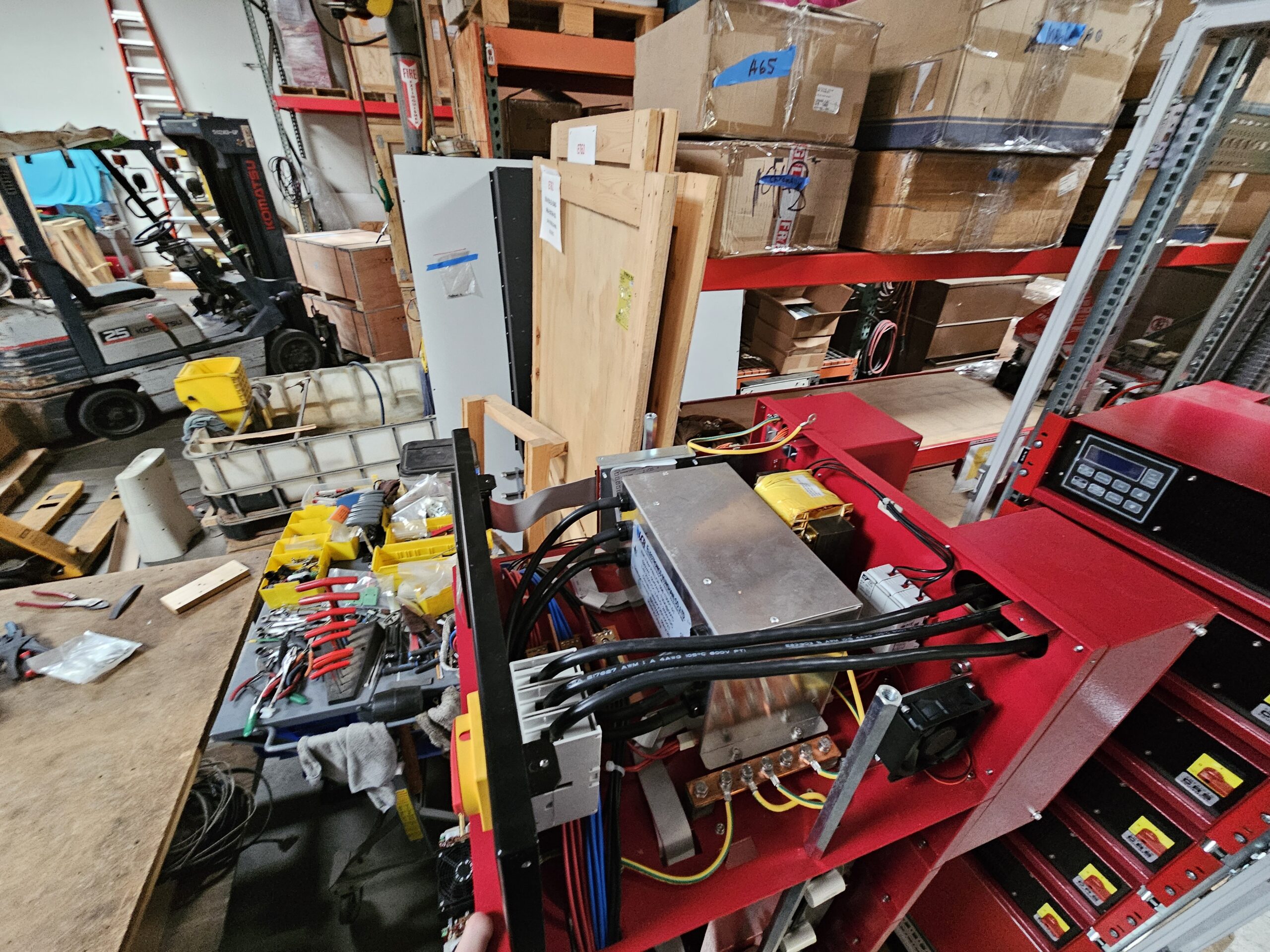
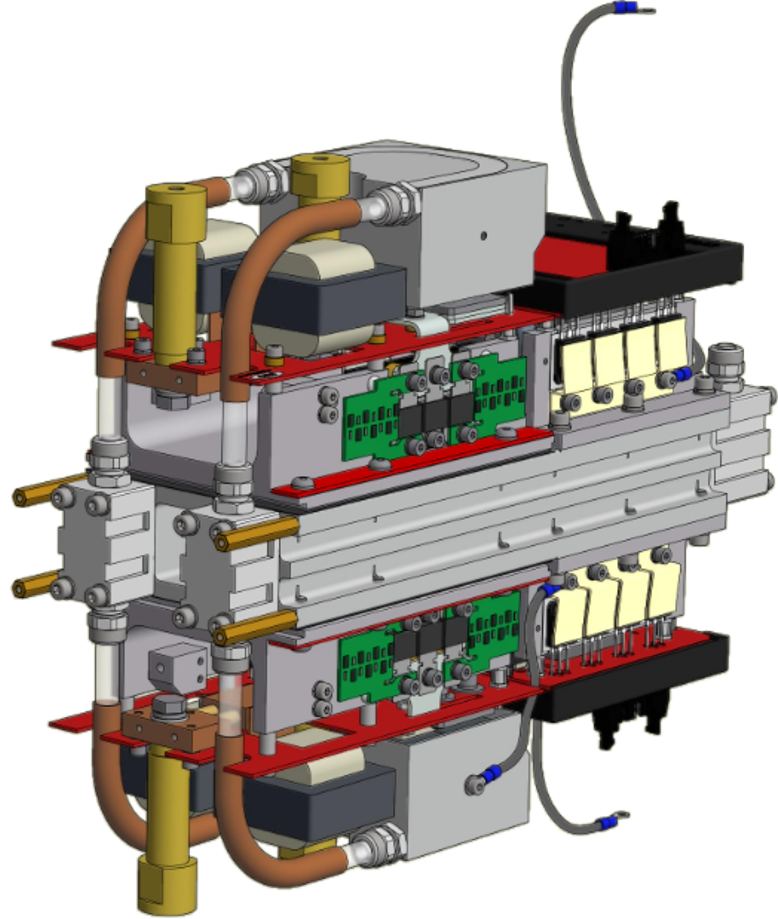
Older rectifier designs tend to run hotter, take up more space, and consume more energy than necessary. American CRS Equipment’s use of advanced switch-mode technology delivers reliable, energy-efficient, and compact solutions, helping reduce both your operating costs and your equipment’s physical footprint on the shop floor.
4. Think about long-term durability
A rectifier is a long-term investment, so longevity matters. Look for equipment built with quality components and a track record of dependable performance over years of continuous use, not just months.
5. Factor in service, training, and support
Even the best-built rectifier eventually needs maintenance. Choose a supplier who offers Rectifier Training so your team understands proper operating procedures, along with Rectifier Repair and Maintenance services to extend equipment life and minimize unplanned downtime.
Should you buy new or used power supplies?
New rectifiers offer the latest switch-mode technology, full manufacturer support, and a longer expected lifespan. However, Used Power Supplies can be a practical option for businesses working within tighter budgets or those needing equipment quickly for a temporary or secondary line.
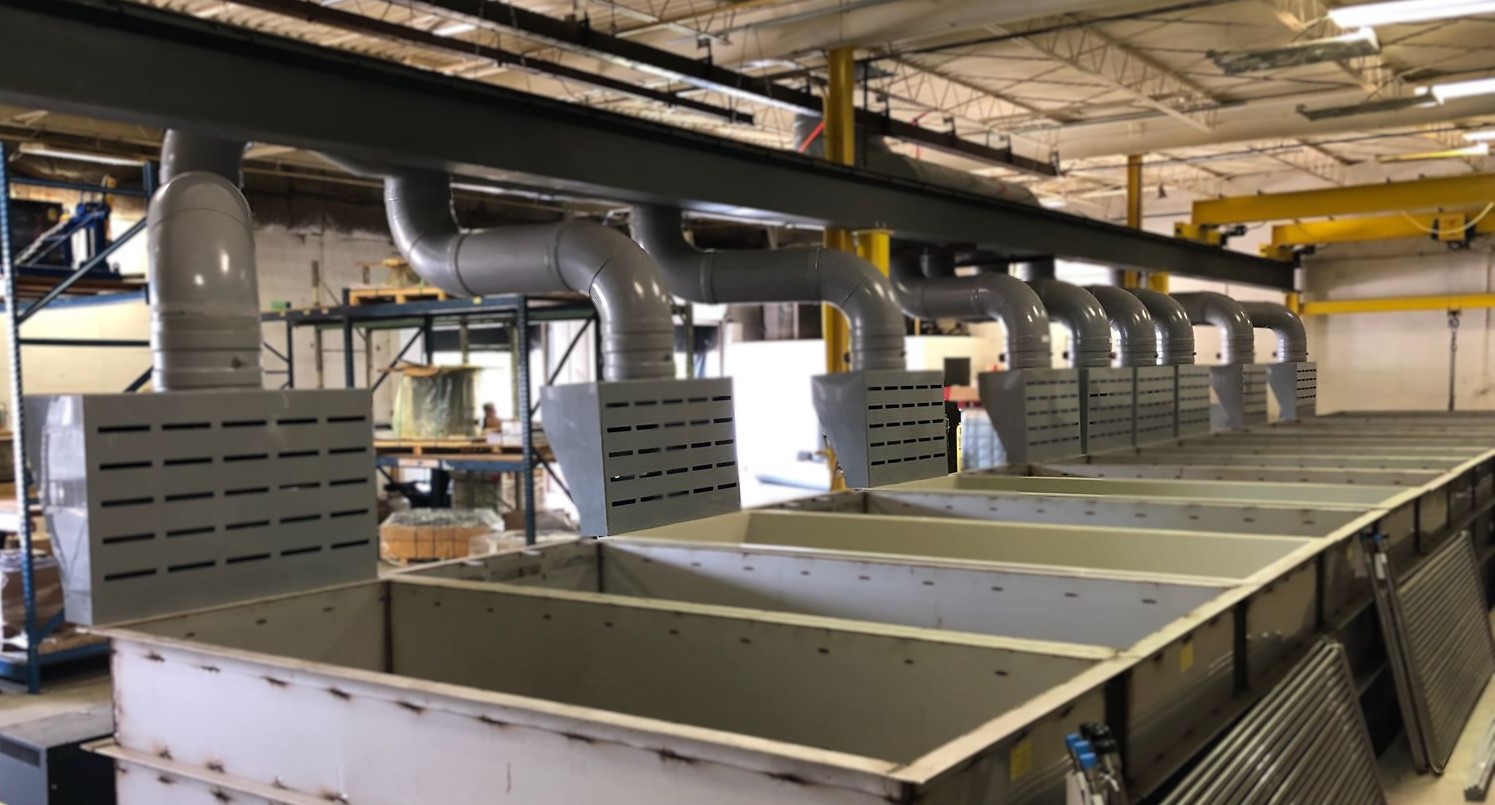
Choose new equipment if energy efficiency and long-term reliability are top priorities. Choose used equipment if you need a cost-effective solution and can verify the equipment’s condition and service history beforehand. American CRS Equipment offers both, along with the complementary equipment many plating operations need, including Pumps, Ventilation Systems, Tanks, and Additional Plating Equipment.
Which rectifier brands and systems should you know?
If you’re researching or maintaining existing equipment, you may come across several established power supply technologies, including Vega, Quasar, and Sirius systems. American CRS Equipment provides support and service across these platforms, so switching suppliers doesn’t mean starting from scratch with unfamiliar equipment.
How does proper training and maintenance extend rectifier life?
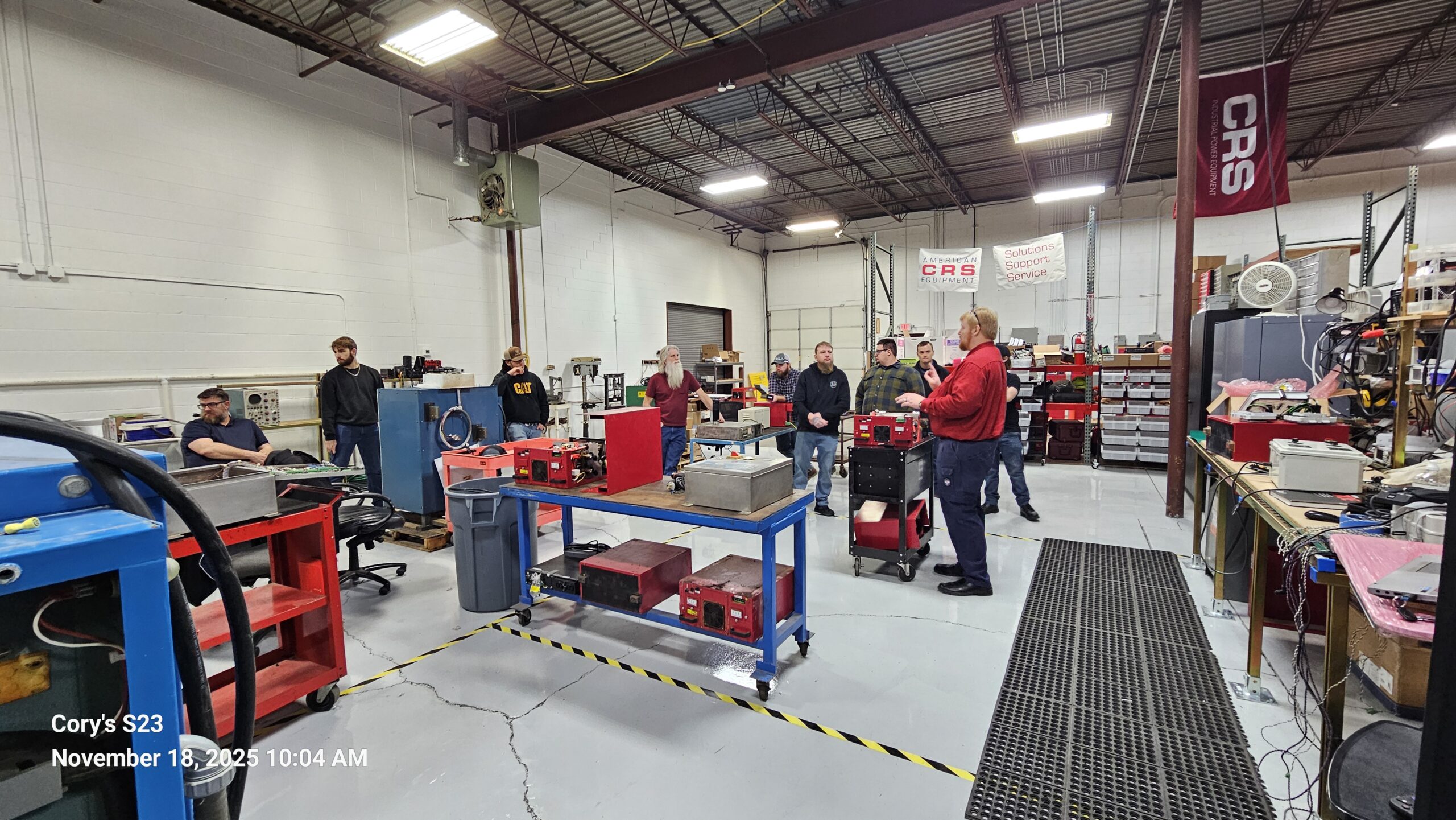
A rectifier’s lifespan depends heavily on how well it’s operated and maintained. Rectifier Training helps your operators and maintenance staff understand day-to-day operating procedures, troubleshooting steps, and general upkeep requirements. This reduces the likelihood of operator error causing premature wear or failure.
Regular Rectifier Repair and Maintenance further protects your investment. Routine servicing catches small issues, like worn components or cooling inefficiencies, before they turn into costly breakdowns. According to American CRS Equipment’s own service philosophy, this kind of proactive support helps extend equipment life and maintain consistent performance across the rectifier’s working life.
What should you look for in a rectifier supplier?
Beyond the equipment itself, the supplier relationship matters just as much. Here’s what to prioritize:
- Specialized expertise: A supplier with over two decades of experience in galvanic, surface finishing, and electroplating applications will understand your challenges better than a generalist provider.
- Customized configurations: No two plating operations are identical, so look for a supplier willing to tailor power solutions to your exact specifications.
- Global reach with local support: A supplier with a global presence and localized service can respond faster when issues arise, no matter where your facility is located.
- Responsive customer support: Technical questions come up. A knowledgeable support team should be easy to reach and quick to help.
- Commitment to innovation: Surface finishing technology continues to evolve, so a supplier focused on continuous improvement will help keep your operation competitive.
Ready to upgrade your production line?
Choosing the right electroplating rectifier comes down to understanding your process, your production goals, and the level of support you’ll need over the equipment’s lifetime. Whether you’re comparing DC and pulse-power options, weighing new versus Used Power Supplies, or simply looking for a dependable partner for Rectifier Repair and Maintenance, taking the time to evaluate these factors upfront will save you headaches down the road.
American CRS Equipment has spent over 26 years helping businesses across the galvanic, electroplating, anodizing, and electrolytic industries find power solutions built for reliability and efficiency. Explore our Showroom to see our available equipment, visit our Remote Page for support resources, or reach out through our Contact Us page or Get a Quote to talk through your specific requirements. Our team is ready to help you find the right Plating rectifier for your operation.
Frequently asked questions
How much does an electroplating rectifier cost?
Pricing varies widely based on amperage, voltage, technology type (DC, pulse-power, or AC), and whether you choose new or Used Power Supplies. Custom configurations and additional features, such as advanced current control, will also affect cost. Contact American CRS Equipment through our Get a Quote page for pricing tailored to your specific application.
How long does it take to install a new rectifier?
Installation timelines depend on your facility’s existing infrastructure and the complexity of the rectifier configuration. Standard rectifiers with straightforward power requirements typically install faster than custom pulse-power or AC-power systems requiring additional integration work.
What are the risks of choosing the wrong rectifier?
An improperly sized or mismatched rectifier can lead to inconsistent plating deposits, wasted materials, increased energy consumption, and premature equipment failure. Choosing a rectifier that doesn’t match your application’s voltage, amperage, or current control needs is one of the most common causes of production quality issues.
What’s the difference between a DC rectifier and a pulse-power rectifier?
A DC rectifier delivers continuous, steady current, suited to standard plating and anodizing processes. A pulse-power rectifier delivers current in controlled bursts, which can improve deposit uniformity and reduce porosity for specialized or high-precision applications.
Who should I contact for rectifier repair or training?
American CRS Equipment offers both Rectifier Training and Rectifier Repair and Maintenance services, supporting a range of power supply technologies including Vega, Quasar, and Sirius systems. Reach out through our Contact Us page to discuss your equipment and service needs.