American CRS Equipment · Power Supplies
Stable, adjustable DC power for electroplating and anodizing. Compare Sirius, Quasar and Vega rectifiers, then explore the models and configurations for your process.
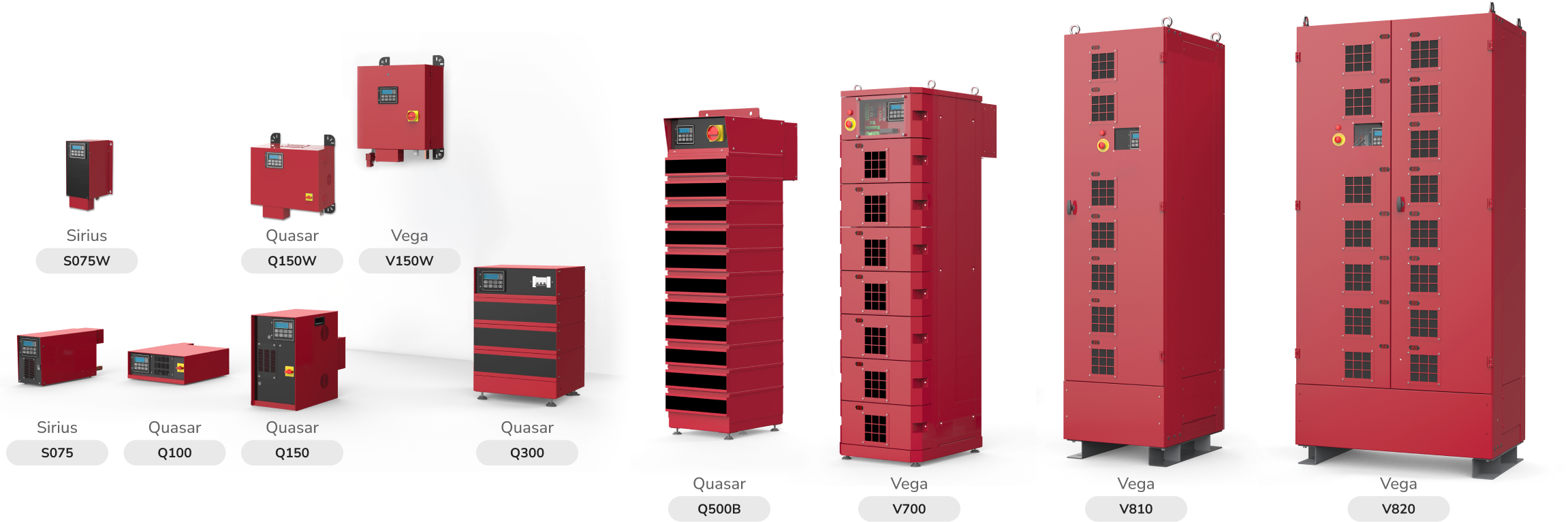
Select a rectifier to explore its family. On smaller screens, swipe across the lineup.
Explore our single-phase family, Sirius desktop and wall-mounted rectifiers.
Power range
Output ranges vary by cooling method and selected configuration. Our team will confirm the voltage, current and installation requirements for your process. From 5 amps to 25,000 amps in singular rectifiers.
CURRENT
CURRENT
| Model | Air cooled (A) | Water cooled (A) |
|---|---|---|
| Quasar Q300 | 600–1,800 | — |
| Vega V150 | — | 700–1,500 |
| Quasar Q150 | 300–600 | 500–1,000 |
| Quasar Q100 | 200–500 | 300–500 |
| Sirius S075 | 10–250 | — |
| Model | Air cooled (A) | Water cooled (A) |
|---|---|---|
| Vega V820 | 5,000–19,000 | 6,000–24,000 |
| Vega V810 | 3,000–9,000 | 3,500–12,000 |
| Vega V700 | 2,000–8,000 | 2,500–11,000 |
| Quasar Q500B | 1,000–6,000 | 1,500–10,000 |
Choose the cooling method, mounting format and output configuration that suit your installation.
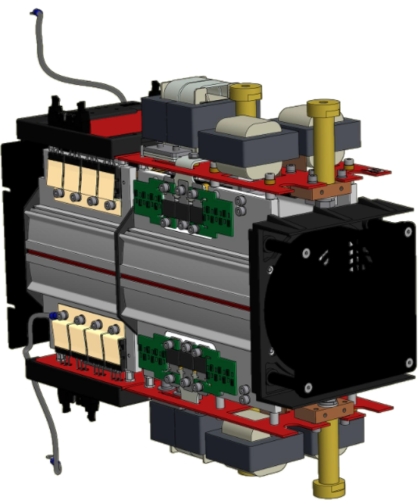
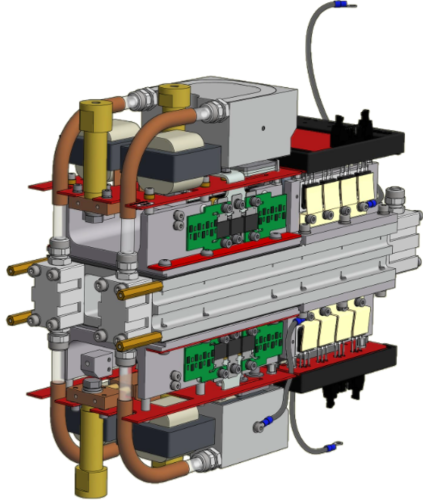
Multiple modules and towers support higher output requirements, with inherent redundancy. One module goes down, and your operation stays running.
Switch-mode technology delivers stable, adjustable DC output for multiple different metal finishing operations.
Compact designs and a choice of desktop, rack, wall, tower and cabinet formats help fit power to your available space. Options vary by model.
Wafer
Explore power supplies for wafer processing applications.
Used equipment
Explore used equipment and contact our team for current availability.
Configuration matters
Share your output voltage and current, cooling preference, input supply and installation constraints so our team can help confirm an appropriate configuration.
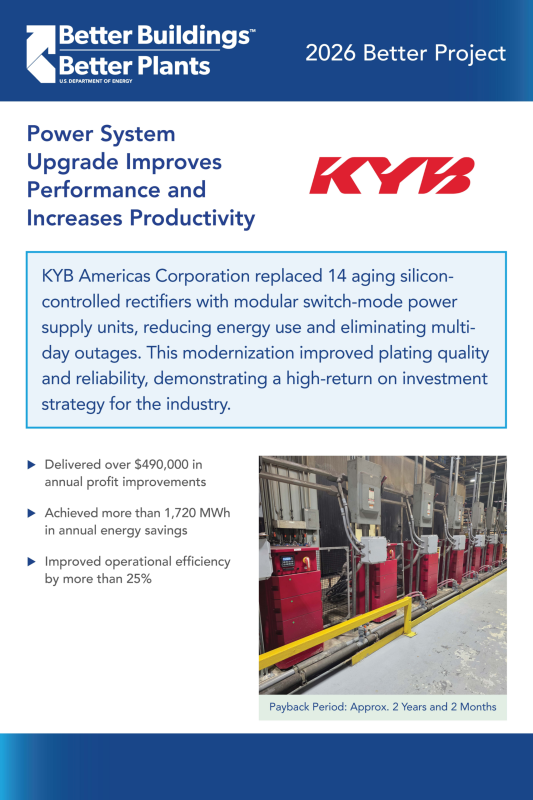
MODULAR POWER IN PRACTICE
See how KYB Americas modernized its plating operation with modular switch-mode power supplies, saved almost $500k, and was recognized by the U.S. Department of Energy.
ACRS FAQs
A rectifier converts alternating current (AC) from your facility into controlled direct current (DC).
DC supplies the current used in processes such as plating and anodizing. Controlling voltage and current helps keep process conditions consistent.
A modular rectifier uses multiple power modules working together, rather than one large power section. This design allows individual modules to be serviced or replaced and, where the system supports it, capacity to be expanded as your needs change.
We recommend a spare power module accompany every new rectifier purchase. Having a spare module on-site cuts downtime by over 90%.
Start with your process, required amperage and voltage, available input power, and preferred cooling method. Space limitations and control requirements help narrow the options.
Replacing an existing unit? A photo of its nameplate is a useful starting point. Not sure about every detail? We’ll help fill in the gaps.
The right rectifier depends on your process, required voltage and amperage, available space, and cooling requirements.
Whether you’re replacing one unit or planning a new line, American CRS can help match the equipment to your application.