Electroplating power supply efficiency depends on choosing the right rectifier technology, maintaining consistent output through regular servicing, and matching equipment specifications to your specific plating application. Switch-mode rectifiers, like those built by American CRS Equipment, deliver higher energy efficiency, smaller footprints, and longer service life than older technologies, making them a smart choice for electroplating, anodizing, and electrolytic operations looking to cut costs and boost reliability.
Running an efficient electroplating operation comes down to more than just picking a rectifier off a shelf. Every plating line has its own rhythm, its own chemistry, and its own demands, and the power supply behind it needs to keep up without wasting energy or breaking down at the worst possible moment.
For plant managers and process engineers, an inefficient electroplating power supply is not just an annoyance. It can lead to inconsistent coatings, unplanned downtime, and creeping energy costs that eat into margins month after month. The good news? A better understanding of how these systems work, and what separates a well-built rectifier from a subpar one, can help you make smarter equipment decisions.
This guide covers everything you need to know about electroplating power supply efficiency, including how switch-mode technology works, what to look for in a plating rectifier, and how proper training and maintenance keep your equipment running at its best. Whether you’re evaluating a new Electroplating Rectifier or troubleshooting an aging system, this guide will help you make informed decisions for your operation.
What Is an Electroplating Power Supply and Why Does Efficiency Matter?
An electroplating power supply, often called a rectifier, converts AC power from the grid into the controlled DC needed to drive the electroplating process. This current is what allows metal ions to deposit evenly onto a substrate, forming the coating that protects, strengthens, or beautifies the finished part.
Efficiency matters because electroplating is an energy-intensive process. A power supply that wastes energy through heat, poor regulation, or outdated components drives up operating costs and can compromise coating quality. An efficient system, by contrast, delivers stable, precise current with minimal energy loss, which translates directly into better plating results and lower utility bills.
American CRS Equipment has specialized in this exact challenge since the company was founded in 1998 in Italy. Over more than two decades, the company has grown into a globally recognized manufacturer of power supplies for the galvanic and surface finishing industries, offering standardized rectifiers engineered specifically for electroplating, anodizing, and electrolytic applications.
How Does Switch-Mode Technology Improve Rectifier Performance?
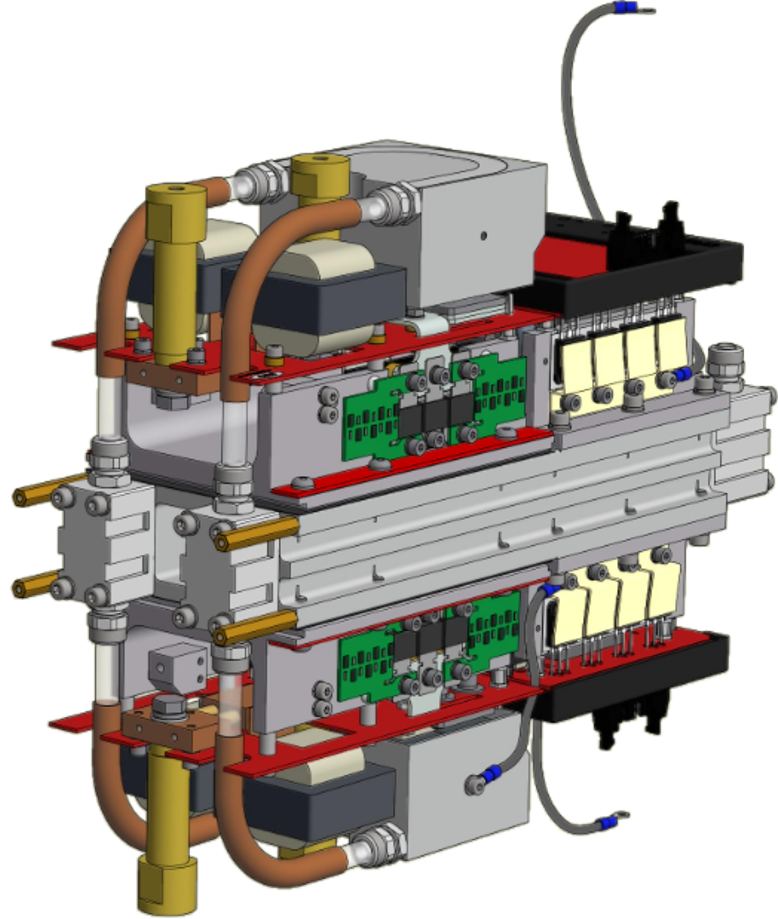
Switch-mode technology is one of the biggest advancements in modern electroplating power supplies. Unlike older linear rectifiers, which regulate voltage by dissipating excess energy as heat, switch-mode rectifiers use high-frequency switching to control power output with far less energy loss.
This matters for three reasons:
- Energy efficiency. Switch-mode power supplies waste less energy as heat, which lowers electricity consumption and operating costs over the lifespan of the equipment.
- Compact design. Because switch-mode systems generate less heat, they require less cooling infrastructure, allowing for smaller, more space-efficient units on the plant floor.
- Consistent performance. Precise output regulation means more stable plating conditions, which supports consistent coating thickness and quality across production runs.
American CRS Equipment’s Electroplating Rectifier and electroplating power supply lines are built on this switch-mode foundation, offering DC/DCR, pulse-power (PP/PPR), and AC-power configurations designed to meet the dynamic needs of electroplating, anodizing, and electrolytic processes.
What Should You Look for in an Electroplating Power Supply?
Choosing the right plating rectifier depends on matching the equipment to your specific process requirements. Here are the factors that matter most:
Durability and Build Quality
A rectifier that’s built to last reduces the frequency of replacements and repairs, keeping your operation running smoothly for years. Look for equipment with a proven track record of reliability in demanding industrial environments.
Customized Configurations
No two plating applications are identical. Whether you’re working in Electroplating, Anodizing, E-Coat, Electroforming, Electrowinning, or Electrolysis Salt Splitting, your power supply should be configured for your specific chemistry, part geometry, and production volume. American CRS Equipment offers customized configurations, including systems like Vega, Quasar, and Sirius, tailored to fit these varied applications.
Energy Efficiency
Choose a power supply designed to optimize energy consumption if reducing your facility’s environmental footprint and operating costs are priorities. Switch-mode systems generally outperform older linear technology on this front.
Ease of Use and Maintenance
An intuitive rectifier reduces the time your team spends troubleshooting and increases the time your line spends running. Simple controls and accessible components make day-to-day operation and upkeep far less time-consuming.
Support for Specialized Applications
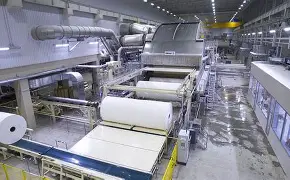
Some facilities require rectifiers built for niche or highly specific industries, such as Printed Circuit Board production, Pulp & Paper, or the Steel Industry. Confirm that any equipment you choose can support your particular application before making a purchase decision.
Why Does Regular Rectifier Maintenance Matter for Efficiency?
Even the best-built power supply loses efficiency over time without proper care. Regular maintenance keeps components clean, connections tight, and output consistent, all of which directly affect plating quality and energy consumption.
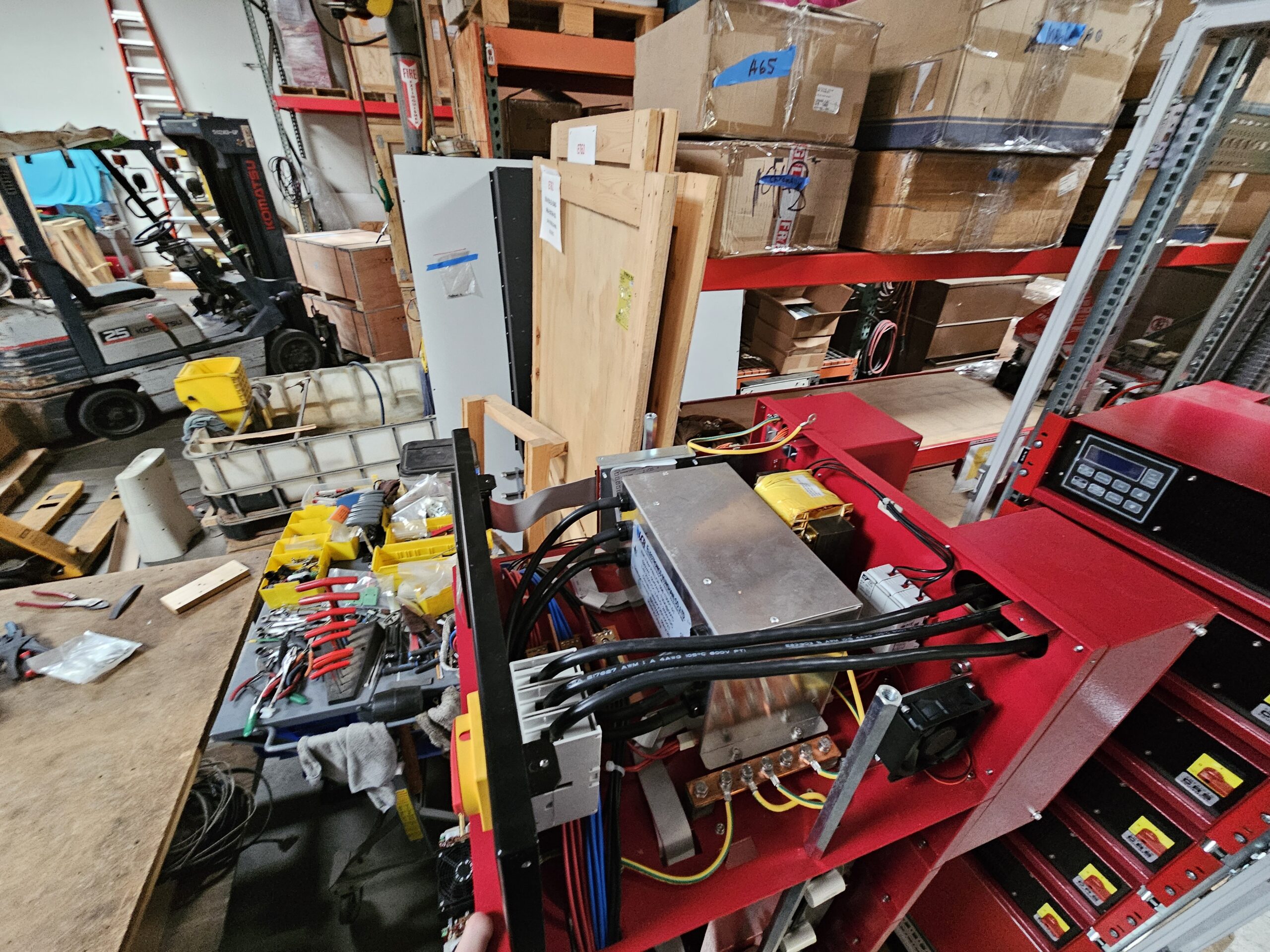
Rectifier Repair and Maintenance services help extend equipment life, reduce the risk of unexpected downtime, and maintain consistent performance across production cycles. Skipping routine maintenance often leads to bigger, more expensive problems down the line, including component failure, inconsistent current output, and even full system replacement.
Choose a maintenance partner with hands-on experience if you’re managing older or specialized equipment, since technical familiarity with specific rectifier types, including Vega, Quasar, and Sirius systems, makes diagnosing and resolving issues faster and more accurate.
How Does Rectifier Training Improve Operational Efficiency?
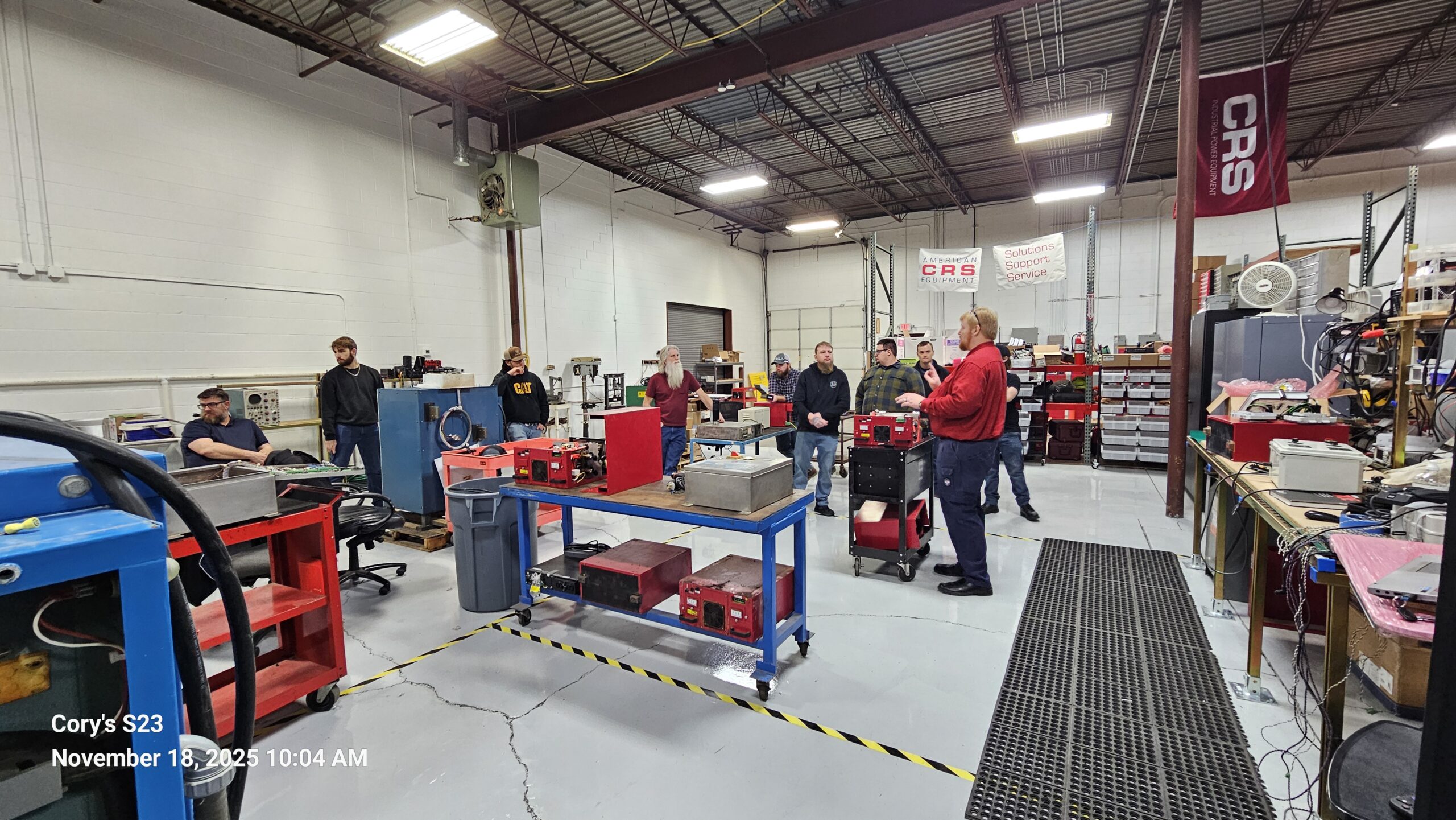
Equipment is only as efficient as the team operating it. Rectifier Training gives operators and maintenance staff a deeper understanding of how their power supplies function, including proper operating procedures, troubleshooting techniques, and maintenance requirements.
Well-trained teams catch small issues before they become costly problems. They also make more informed decisions about equipment settings, which helps maintain consistent plating results and avoids unnecessary energy waste. For facilities running complex or high-volume plating operations, this training investment often pays for itself in reduced downtime and fewer emergency repairs.
What Other Equipment Supports an Efficient Electroplating Line?
A power supply is central to any plating operation, but it doesn’t work in isolation. Efficient electroplating also depends on supporting equipment, including:
- Pumps, which circulate plating solutions and maintain proper chemistry throughout the process.
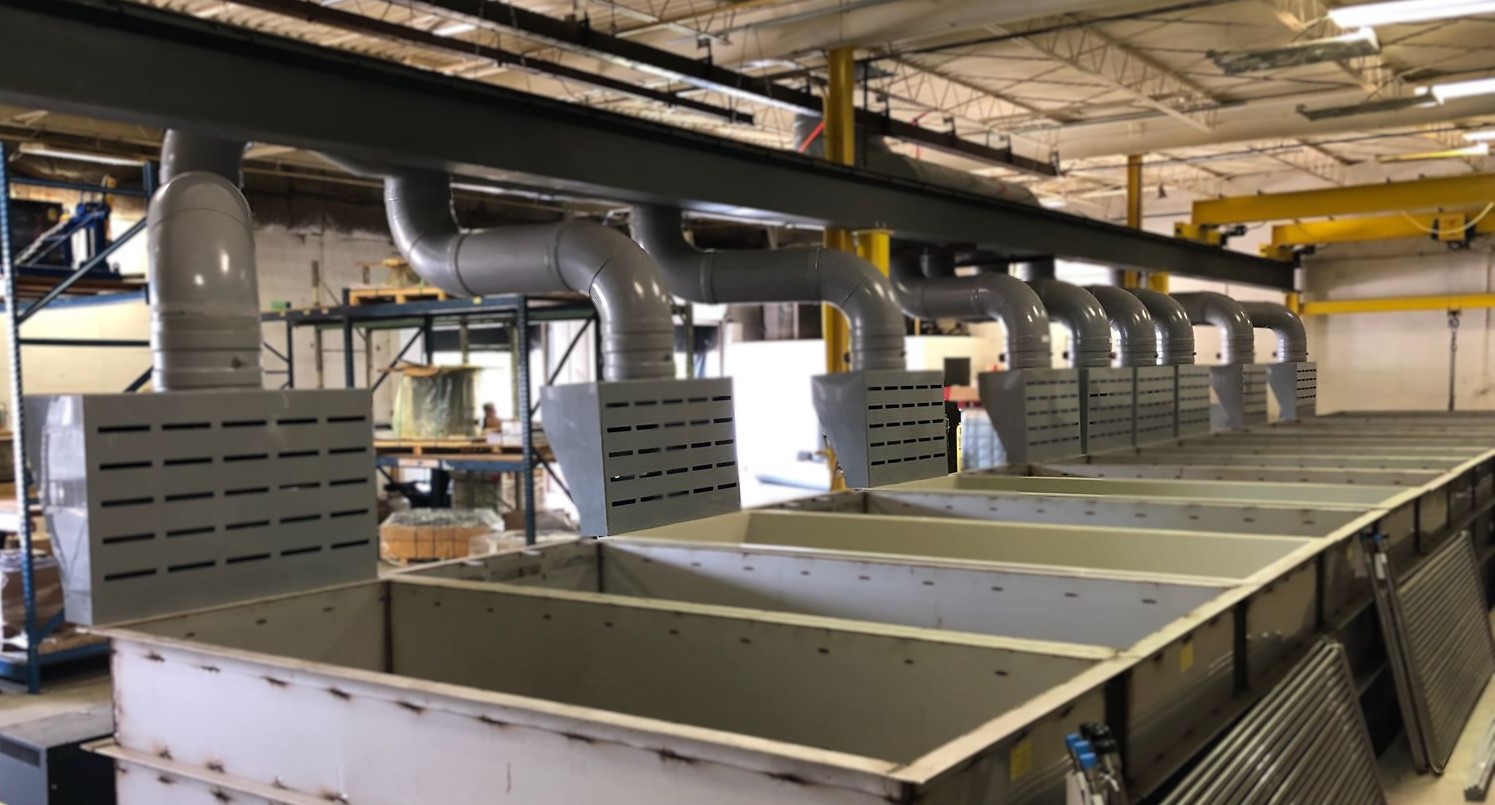
- Ventilation Systems, which manage fumes and maintain safe, compliant working conditions.
- Tanks, which hold plating solutions and need to be properly sized and maintained for your production volume.
- Additional Plating Equipment, which varies depending on your specific application and facility layout.
American CRS Equipment also offers Used Power Supplies for facilities looking for a cost-effective option, along with a broader range of equipment to support Chemical Production, E-Coat, and other electrochemical processes.
Who Should Consider an Electrocoat and E-Coat Rectifier?
Facilities running electrocoating processes, common in automotive, appliance, and industrial parts manufacturing, have specific power supply needs that differ from standard electroplating. An Electrocoat and E-Coat Rectifier is designed to deliver the precise current profiles these processes require, supporting even coating distribution and consistent finish quality across complex part geometries.
Choose an E-Coat-specific rectifier if your facility runs high-volume coating operations where uniform coverage and corrosion resistance are top priorities. General-purpose plating rectifiers may not deliver the same level of control needed for these applications.
Making the Right Choice for Your Facility
Electroplating power supply efficiency comes down to three things: choosing rectifier technology built for performance, matching equipment to your specific application, and investing in the training and maintenance needed to keep it running well. Switch-mode technology offers clear advantages over older linear systems, but even the best equipment needs proper care to deliver on its promise of reliability and energy savings.
American CRS Equipment brings over 25 years of experience to this exact challenge, offering a wide range of standardized rectifiers, customized configurations, and comprehensive support, including Rectifier Training and Rectifier Repair and Maintenance, for facilities across the galvanic and surface finishing industries.
If you’re evaluating a new Electroplating Rectifier, troubleshooting an existing system, or exploring options like Used Power Supplies, Pumps, or Tanks, take time to explore the Showroom or visit the Remote Page for support resources. When you’re ready to discuss your specific needs, reach out through the Contact Us page or Get a Quote to talk with a team that understands the demands of your operation.
Frequently Asked Questions
What makes switch-mode rectifiers more efficient than older power supplies?
Switch-mode rectifiers regulate voltage using high-frequency switching rather than dissipating excess energy as heat. This results in lower energy consumption, reduced cooling requirements, and a more compact footprint compared to older linear rectifier designs.
How often should an electroplating power supply be serviced?
Maintenance frequency depends on production volume and operating conditions, but regular inspections help catch small issues before they cause downtime. Facilities running continuous or high-volume operations typically benefit from more frequent service intervals.
What’s the risk of using an outdated or poorly maintained rectifier?
An outdated or neglected rectifier can produce inconsistent current output, leading to uneven plating results, increased energy waste, and a higher risk of unexpected equipment failure.
Are used power supplies a good option for smaller operations?
Used power supplies can be a cost-effective option for facilities with smaller production volumes or tighter budgets, provided the equipment has been properly inspected and maintained. It’s worth confirming the unit’s service history before purchase.
Who benefits most from rectifier training?
Operators and maintenance teams working directly with electroplating power supplies benefit most, since a better understanding of the equipment reduces troubleshooting time and helps maintain consistent plating quality.