Choosing the right DC power supply for plating depends on your process type, current and voltage requirements, waveform control needs, and budget. For most industrial plating applications, a rectifier-based power supply, such as a switch mode or pulse plating model, offers the most reliable and efficient performance.
Picking the wrong power supply for a plating operation can cost you more than just money. Poor current control leads to uneven deposits, wasted materials, increased rework, and, in some cases, complete product failure. Yet for many engineers and plant managers, the selection process still feels overwhelming.
The good news? It doesn’t have to be. Whether you’re setting up a new electroplating line or upgrading aging equipment, the fundamentals of choosing the right DC power supply for plating come down to a handful of clear criteria. Get those right, and the rest falls into place.
This guide walks you through everything you need to know, from understanding what a plating rectifier actually does, to comparing power supply types, to matching specific equipment to specific processes. American CRS has supported industrial plating operations across electroplating, e-coat, anodizing, and metal finishing for years, so the guidance here is grounded in real-world application.
By the end, you’ll know exactly what to look for, and what to avoid, when selecting a DC power supply for your plating process.
What Does a DC Power Supply Do in a Plating System?
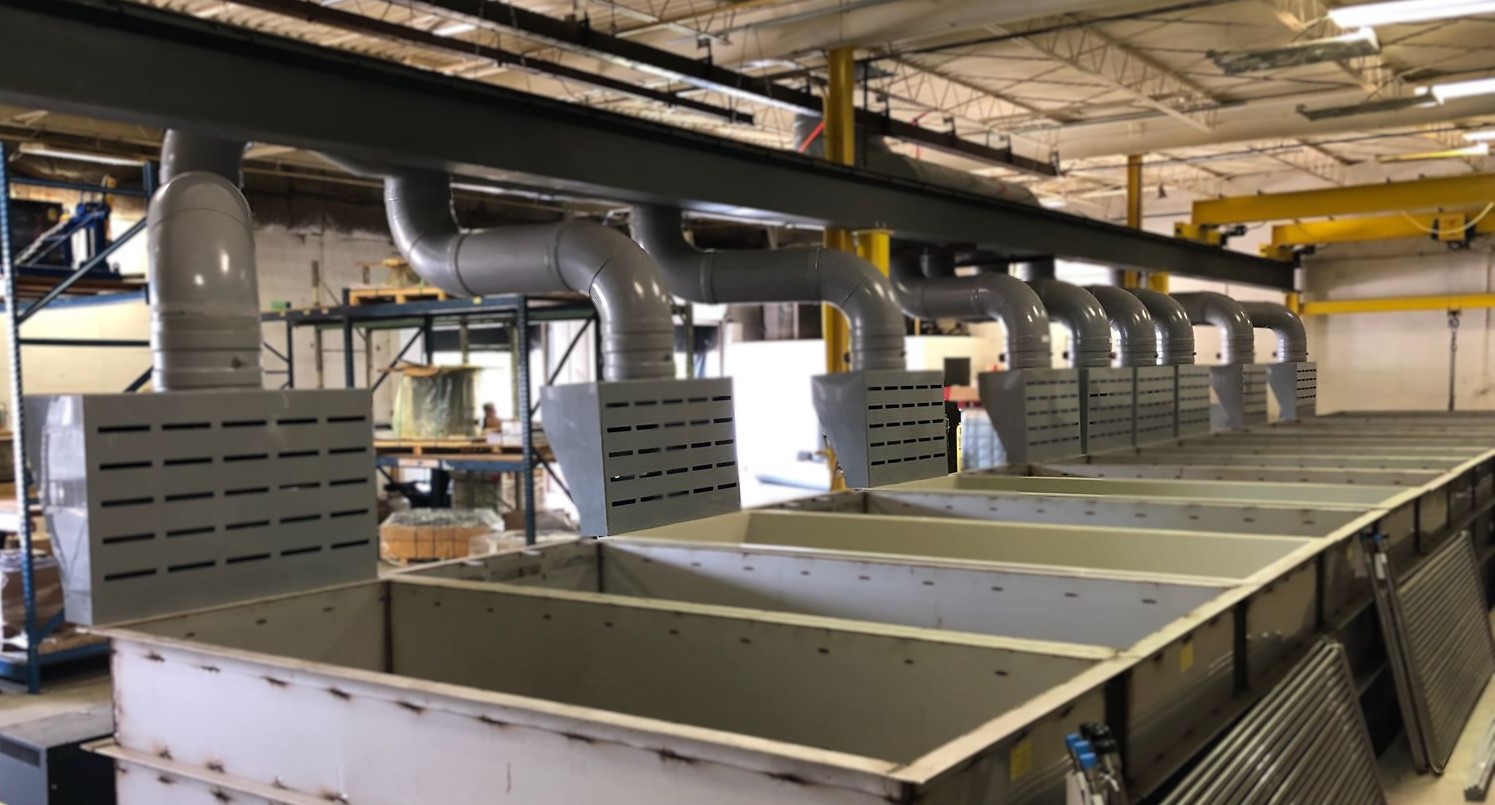
A DC power supply, typically called a plating rectifier, converts alternating current (AC) from the grid into direct current (DC) that can drive the electrochemical reactions in a plating bath. The metal ions in the solution migrate toward the cathode (your workpiece) when DC voltage is applied, depositing a controlled layer of metal onto the surface.
The quality of that deposit depends heavily on the stability and precision of the current output. Ripple, voltage fluctuations, and poor regulation all translate directly into inconsistent plating thickness, adhesion problems, and surface defects. A high-quality electroplating power supply eliminates these variables by delivering clean, stable, and controllable DC output.
Beyond basic conversion, modern plating power supplies also offer programmable controls, remote monitoring, and waveform customization, features that significantly improve process efficiency and product quality.
What Are the Main Types of DC Power Supplies for Plating?
What is a switch mode power supply, and when should you use one?
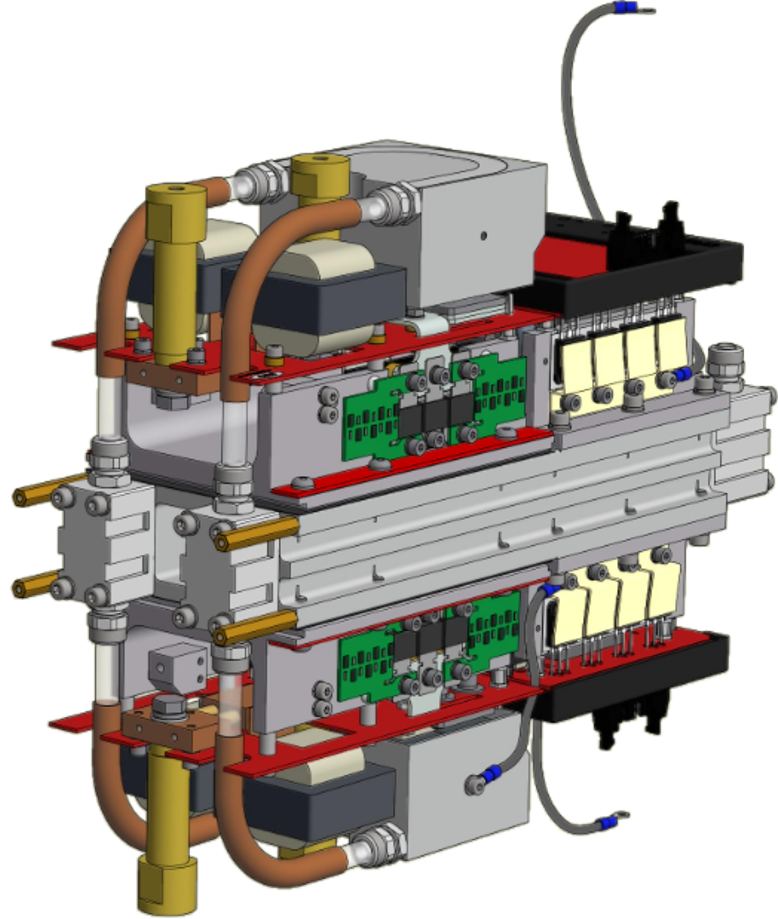
A switch mode power supply (SMPS) uses high-frequency switching transistors to convert power, making it far more compact and energy-efficient than older transformer-based designs. Switch mode units respond quickly to load changes, maintain tight output regulation, and generate less heat, an advantage in facilities where space and energy costs matter.
Switch mode power supplies are well-suited for:
- High-precision plating applications requiring tight current control
- Operations where floor space is limited
- Facilities focused on reducing energy consumption
American CRS offers switch mode solutions as part of its broader DC power supply lineup, engineered for demanding industrial environments.
What is a pulse plating rectifier, and what advantages does it offer?
A pulse plating rectifier delivers current in controlled bursts rather than a continuous stream. This pulsed waveform gives ions time to replenish at the cathode surface between pulses, resulting in denser, more uniform deposits, particularly useful for complex geometries, high-aspect-ratio features, and specialty finishes.
Pulse plating is commonly used in:
- Electronics and semiconductor plating (gold, copper, nickel)
- Applications requiring superior grain structure or hardness
- Processes where traditional DC plating struggles with uniformity
American CRS’s Pulse Plating Rectifier solutions provide flexible waveform control, allowing operators to tune on-time, off-time, and peak current to match specific process requirements.
How do Vega, Quasar, and Sirius Rectifiers differ from each other?
American CRS manufactures three flagship rectifier lines, each engineered for different application profiles:
- Vega Rectifiers are built for high-current industrial applications, delivering robust and stable output in demanding production environments. Ideal for heavy-duty electroplating and metal finishing operations.
- Quasar Rectifiers combine efficiency with precise control, making them a strong fit for processes that require consistent current density across large plating areas.
- Sirius Rectifiers are designed for flexibility and reliability, supporting a range of plating processes where programmability and ease of operation are priorities.
Choosing between these models depends on your specific current and voltage requirements, process type, and operational demands. The American CRS team can help match the right rectifier to your application.
How Do You Choose the Right Plating Rectifier for Your Application?
What voltage and current ratings do you need for your plating process?
Start with your process chemistry and the size of your plating tank. The required current density (typically expressed in amps per square foot or amps per square meter) multiplied by your total workpiece surface area gives you your minimum current requirement. Always spec your rectifier with headroom, a unit running at 100% capacity continuously will wear faster and leave no room for process adjustments.
Voltage requirements vary by process. Most electroplating applications operate between 6V and 24V DC, but some hard chrome and specialized processes may require higher voltages. Confirm your bath chemistry requirements before finalizing a specification.
What control features matter most for electroplating power supplies?
Modern electroplating rectifiers offer a range of control options that directly affect plating quality and operational efficiency:
- Constant current (CC) mode: Maintains a fixed current output regardless of load changes, the most common control mode for plating
- Constant voltage (CV) mode: Holds voltage steady; useful for certain anodizing and e-coat applications
- Programmable ramp and soak profiles: Allows gradual current ramp-up to avoid stress on parts and bath chemistry
- Remote monitoring and data logging: Supports quality documentation and process traceability
For Electrocoat and E-Coat Rectifier applications specifically, precise voltage control during the coating ramp is critical to achieving uniform film thickness without defects.
What role does ripple percentage play in plating quality?
Ripple refers to the residual AC variation in a DC output signal. High ripple causes uneven current flow, which leads to inconsistent plating thickness and surface roughness. For most plating applications, a ripple factor below 5% is acceptable, while precision applications, such as bright chrome or electronics plating, may require a ripple below 1%.
Switch mode power supplies and well-filtered transformer-based rectifiers typically achieve low ripple figures. Always ask for the ripple specification when evaluating equipment.
Plating-Specific Applications: What Power Supply Do You Need?
Which power supply is best for electroplating applications?
Standard electroplating applications, zinc, nickel, copper, chrome, tin, typically perform well with a high-quality constant-current rectifier. The Vega Rectifier or Quasar Rectifier from American CRS are strong candidates, depending on current requirements and tank size. Pulse plating capability adds value if deposit quality or uniformity is a priority.
What type of rectifier does the steel industry use?
Steel industry applications often involve large-scale current requirements for processes like electrogalvanizing, electropolishing, or pickling. High-current rectifiers with robust cooling systems and durable construction are essential. American CRS supports Steel Industry applications with purpose-built rectifier solutions designed to handle the continuous, high-demand loads these processes generate.
What power supply is recommended for anodizing?
Anodizing requires precise voltage control and the ability to run extended cycles without drift. A rectifier with stable CV mode, low ripple, and reliable temperature management performs best. American CRS’s product range includes solutions suited for anodizing lines of varying scales.
How do e-coat and electrocoat systems differ in their power requirements?
E-coat (electrocoat) systems apply a paint film through electrodeposition, requiring very controlled voltage ramping to avoid film rupture. A dedicated Electrocoat and E-Coat Rectifier with programmable ramp profiles and tight voltage regulation is the appropriate choice. Running a standard rectifier without these features in an e-coat application typically results in film quality problems.
Should You Buy New or Used Rectifier Equipment?
Not every operation needs a brand-new system. For facilities managing tight capital budgets, used rectifiers can offer significant cost savings, provided the equipment is inspected, tested, and reconditioned properly.
American CRS maintains a used rectifier stock list of inspected units available for purchase. Each piece of used equipment undergoes evaluation to confirm it meets performance specifications before being offered for sale. This gives buyers a cost-effective option without sacrificing reliability.
For operations where downtime risk is a concern, pairing a used rectifier purchase with a Rectifier Repair and Maintenance agreement provides an additional layer of protection.
How Do You Keep a Plating Power Supply Running Reliably?
What maintenance does an electroplating rectifier require?
Routine maintenance extends equipment life and prevents costly unplanned downtime. Key maintenance tasks for plating rectifiers include:
- Cooling system inspection: Clean air filters, check coolant levels (liquid-cooled units), and inspect fans regularly
- Connection checks: Loose bus bar connections generate heat and resistance, inspect and torque periodically
- Diode and SCR testing: Semiconductor components degrade over time; periodic testing catches failures before they cascade
- Calibration verification: Confirm output meters and controls remain accurate against a reference instrument
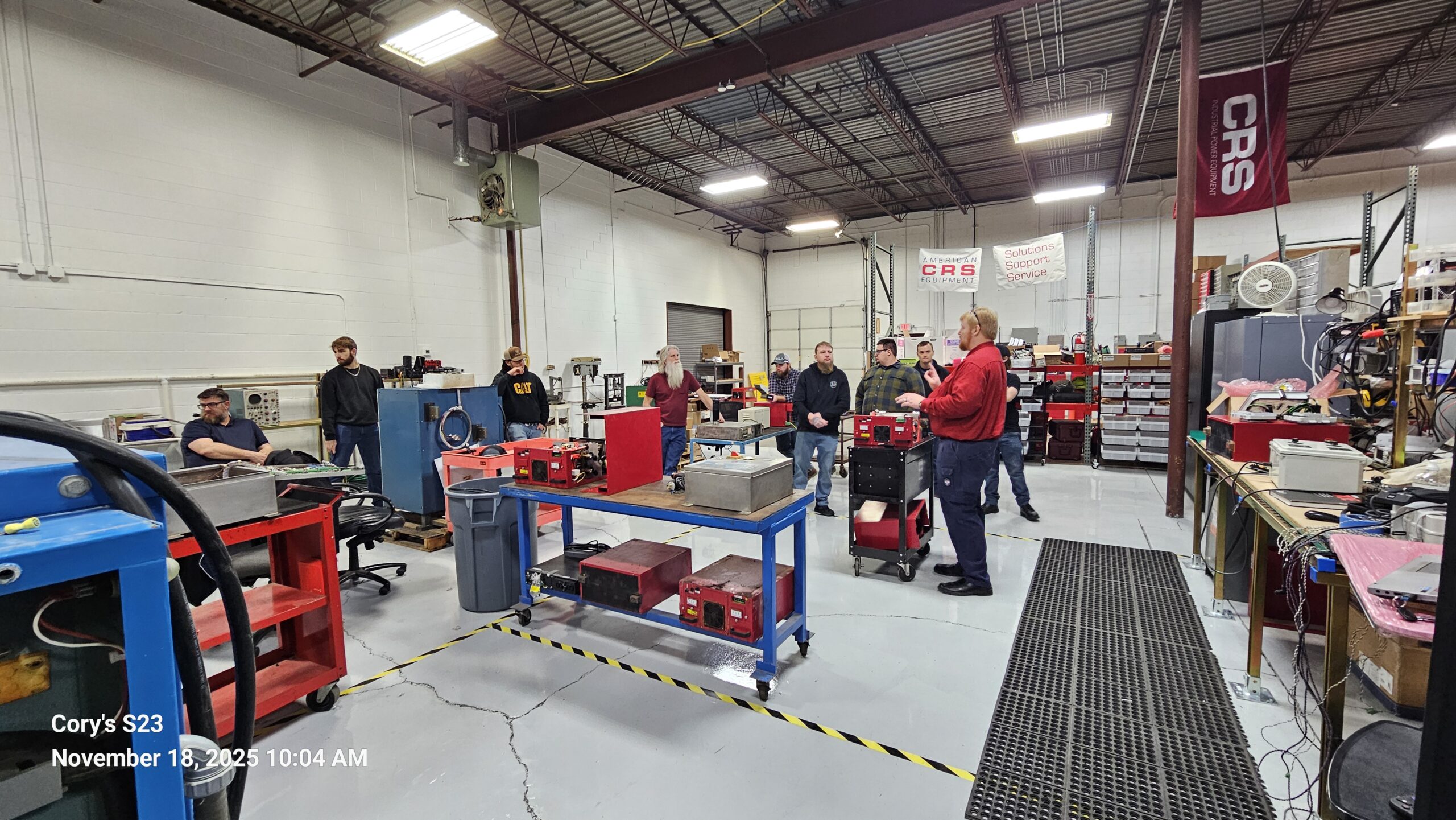
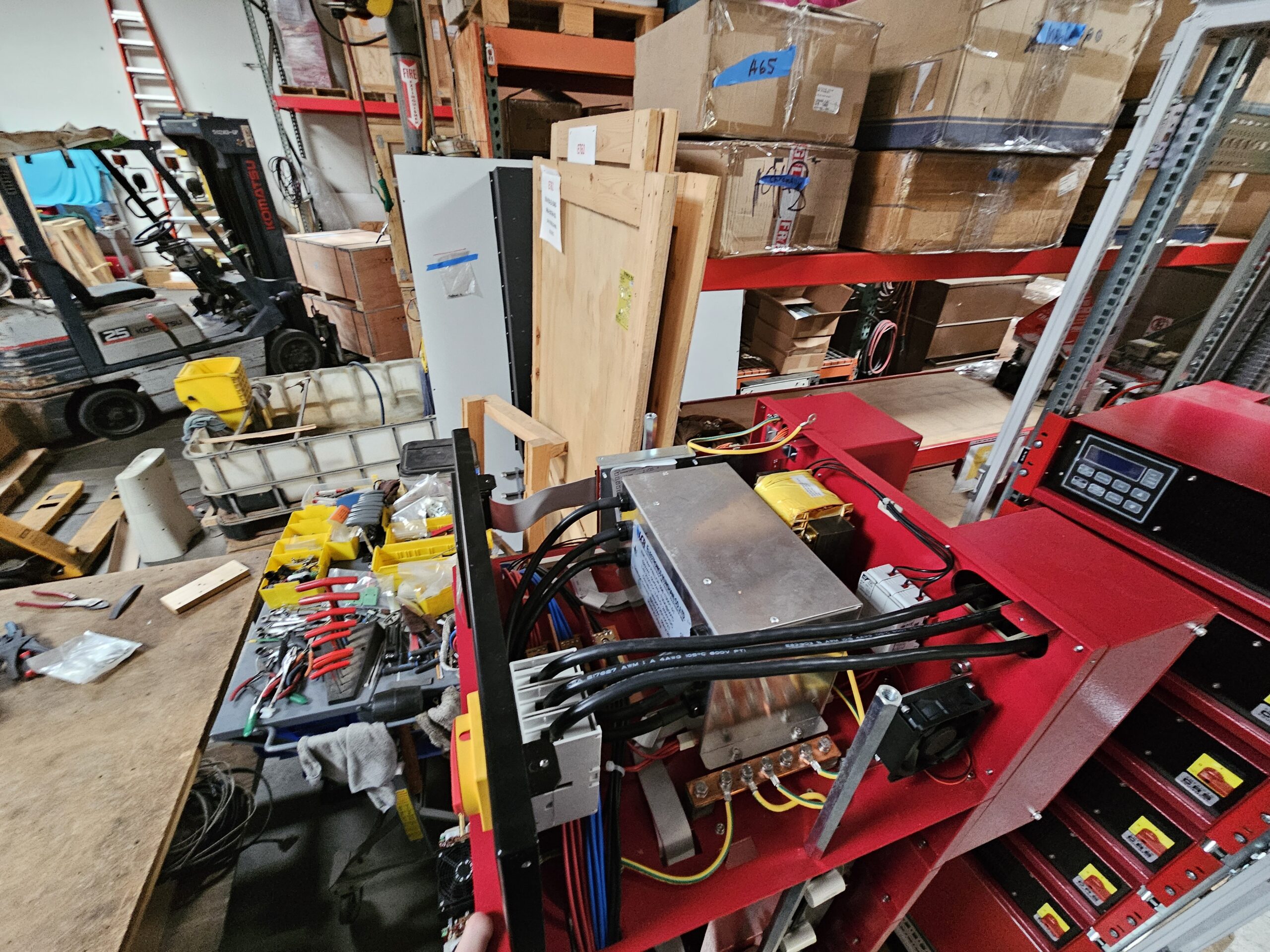
American CRS provides Rectifier Repair and Maintenance services and stocks Rectifier Spare Parts to support customers across these maintenance needs. For teams looking to build internal capability, Rectifier Training programs cover operation, troubleshooting, and maintenance fundamentals in a structured format.
Frequently Asked Questions About DC Power Supplies for Plating
What is the difference between a rectifier and a DC power supply for plating?
In plating, these terms are often used interchangeably. A rectifier is technically a device that converts AC to DC, while a DC power supply may include additional regulation and control circuitry. In industrial plating contexts, a plating rectifier typically includes both rectification and regulation in a single unit.
How do I size a rectifier for my plating tank?
Calculate the total surface area of parts to be plated, multiply by the required current density for your process chemistry, and add a margin of at least 20-25% to allow for operational flexibility and equipment longevity.
What is pulse plating, and is it worth the investment?
Pulse plating uses interrupted DC current to improve deposit quality, uniformity, and grain structure. It is worth the investment for high-value applications, complex part geometries, or processes where traditional DC plating produces inconsistent results.
Can I use a switch mode power supply for all plating processes?
Switch mode power supplies work well for most plating applications. Some legacy processes or bath chemistries that are sensitive to waveform characteristics may perform better with a conventional SCR-based rectifier. Consult with a power supply specialist if you are unsure.
Where can I find used rectifiers for plating?
American CRS maintains a used rectifier stock list of inspected and evaluated equipment. This is a reliable source for cost-effective used rectifier units for industrial plating applications.
What training is available for rectifier operation and maintenance?
American CRS offers Rectifier Training programs covering rectifier operation, maintenance procedures, troubleshooting techniques, and industrial power supply system fundamentals.
Make the Right Call Before You Buy
Choosing the right DC power supply for plating isn’t complicated once you know what questions to ask. Define your current and voltage requirements. Understand your process chemistry. Decide whether pulse plating capability adds value for your application. Then match those requirements to a rectifier built to handle the job reliably over the long term.
American CRS has the product range, technical expertise, and support services to help you make that decision with confidence, whether you need a new Vega, Quasar, or Sirius Rectifier, a switch mode power supply, a pulse plating rectifier, or a cost-effective used unit from the stock list.
Explore American CRS’s full range of DC power supplies, plating rectifiers, and additional plating equipment, or get in touch with the team directly to discuss your application requirements.