Rectifier training helps electroplating teams operate power equipment more safely, troubleshoot problems faster, and maintain consistent plating quality. Operators who understand how rectifiers work, and how to maintain them, reduce costly downtime, extend equipment life, and improve overall process control.
Electroplating is a precision-driven process. Every amp, every volt, and every millisecond of current flow shapes the quality of the finished product. Yet in many facilities, the rectifier, the heart of the electroplating power system, is one of the least understood pieces of equipment on the floor.
That’s a problem. When operators don’t fully understand the equipment they’re running, small issues become big ones fast. A miscalibrated current output leads to inconsistent plating thickness. An undetected fault causes unplanned downtime. A simple maintenance oversight turns into an expensive rectifier repair or replacement.
Rectifier training bridges that gap. By equipping your team with practical knowledge of how industrial rectifiers work, how to maintain them, and how to troubleshoot common faults, you give your operation a real competitive advantage, fewer breakdowns, better product quality, and a workforce that knows what to do when something goes wrong.
This post breaks down why rectifier training is so valuable for electroplating operations, what good training actually covers, and how American CRS supports customers with the expertise and resources to keep their systems running at their best.
What Does a Rectifier Actually Do in an Electroplating System?
Before exploring why training matters, it helps to understand what’s at stake.
A rectifier converts alternating current (AC) from the power grid into the direct current (DC) needed for electroplating. During plating, DC current flows through an electrolyte solution, depositing metal ions onto the workpiece surface. The quality of that deposit, its thickness, adhesion, and uniformity, depends directly on the stability and accuracy of the current being delivered.
Industrial rectifiers used in electroplating, anodizing, e-coat, and other metal finishing applications must deliver precise, consistent electrical output. Even minor fluctuations in voltage or current can cause defects: pitting, burning, uneven coating, or adhesion failure.
Modern electroplating operations may use several types of rectifiers depending on the application:
- Standard plating rectifiers for general electroplating processes
- Pulse plating rectifiers that deliver controlled, repeating current waveforms for high-precision deposits
- Electrocoat and e-coat rectifiers designed for the specific requirements of electrocoating systems
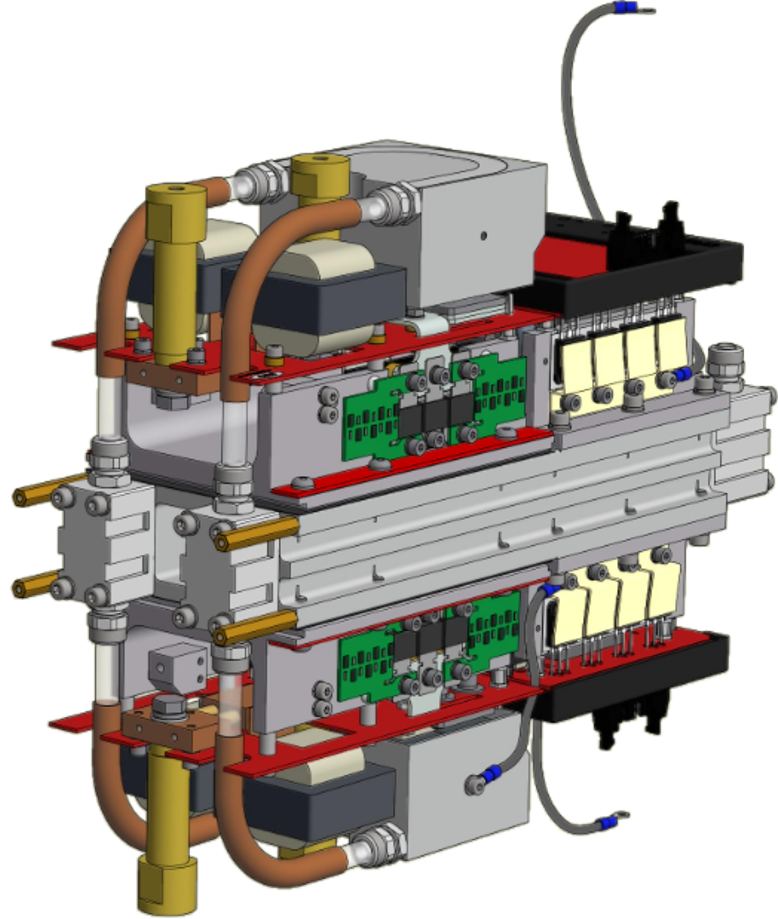
- Switch mode power supplies that offer high efficiency and compact design for demanding applications
Each type has its own operating characteristics, maintenance requirements, and potential failure modes. Operators who understand these differences are far better equipped to run their systems correctly, and catch problems early.
Why Rectifier Training Is Critical for Electroplating Teams
How does a lack of rectifier knowledge affect plating quality?
Plating quality is directly tied to how well the rectifier is set up and maintained. When operators don’t understand the relationship between current density, voltage, and deposit characteristics, they’re essentially guessing, and guessing in electroplating leads to scrap, rework, and customer complaints.
Common quality problems tied to poor rectifier knowledge include:
- Uneven plating thickness caused by incorrect current distribution or output fluctuations
- Burned or rough deposits from excessive current density
- Poor adhesion resulting from inconsistent current delivery during critical plating stages
- Process variation that’s difficult to diagnose without understanding how the rectifier interacts with the bath chemistry
Trained operators understand how to set and verify current and voltage parameters, how to use output controls correctly, and how changes to the rectifier settings ripple through the plating process. That knowledge translates directly into better, more consistent product quality.
How does rectifier training reduce equipment downtime?
Unplanned downtime is one of the most expensive problems any manufacturing facility faces. In electroplating, where production schedules are often tight and plating lines run continuously, an unexpected rectifier failure can bring operations to a halt for hours, or days.
Many rectifier failures are preventable. Cooling system blockages, loose connections, worn components, and calibration drift are all issues that trained technicians can identify and address before they cause a full breakdown. But catching these warning signs requires knowing what to look for.
Rectifier training teaches operators and maintenance staff how to:
- Perform routine inspections and preventive maintenance checks
- Identify early warning signs of component wear or electrical faults
- Understand fault codes and diagnostic indicators
- Carry out basic troubleshooting without waiting for outside service
The result is fewer emergency repairs, shorter downtime windows, and lower maintenance costs over the life of the equipment. For facilities running high-performance systems like the Vega, Quasar, or Sirius Rectifiers from American CRS, proper training helps protect that investment and ensures the equipment consistently performs to spec.
What safety risks come with untrained rectifier operation?
Rectifiers handle high-voltage, high-current electrical systems. Operating or maintaining this equipment without proper training isn’t just inefficient, it’s dangerous.
Risks associated with untrained rectifier operation include electrical shock, arc flash, and fire hazards from improper servicing. Chemical hazards in the plating environment add another layer of complexity. Operators need to understand not just the electrical side of the rectifier, but how it interacts with the broader plating system, including tanks, pumps, and chemical processes.
Proper rectifier training addresses electrical safety fundamentals, lockout/tagout procedures, safe maintenance practices, and the hazard awareness specific to industrial plating environments. A trained workforce is a safer workforce.
What Does Good Rectifier Training Cover?
Effective rectifier training isn’t just a walkthrough of the equipment manual. Comprehensive training covers the full scope of knowledge needed to operate, maintain, and troubleshoot industrial rectifiers in real-world electroplating environments.
Understanding rectifier operation and power conversion
Training should start with the fundamentals: how AC-to-DC conversion works, how different rectifier designs achieve output control, and how the electroplating power supply interacts with the plating process. Operators who understand the underlying principles, not just the buttons and dials, are far more capable of adapting when conditions change.
This foundation also helps teams understand the specific advantages of technologies like switch mode power supplies, which offer faster response times and greater efficiency than traditional transformer-based designs, or pulse plating rectifiers, which enable more precise control over deposit microstructure.
Maintenance procedures and preventive care
A significant portion of rectifier training should focus on maintenance, both the scheduled, routine tasks and the condition-based checks that experienced technicians learn to perform by instinct.
Key maintenance topics include:
- Cooling system inspection and cleaning (fan filters, heat exchangers, coolant levels)
- Electrical connection checks and torque verification
- Capacitor and diode inspection
- Calibration verification and output accuracy checks
- Documentation and maintenance record-keeping
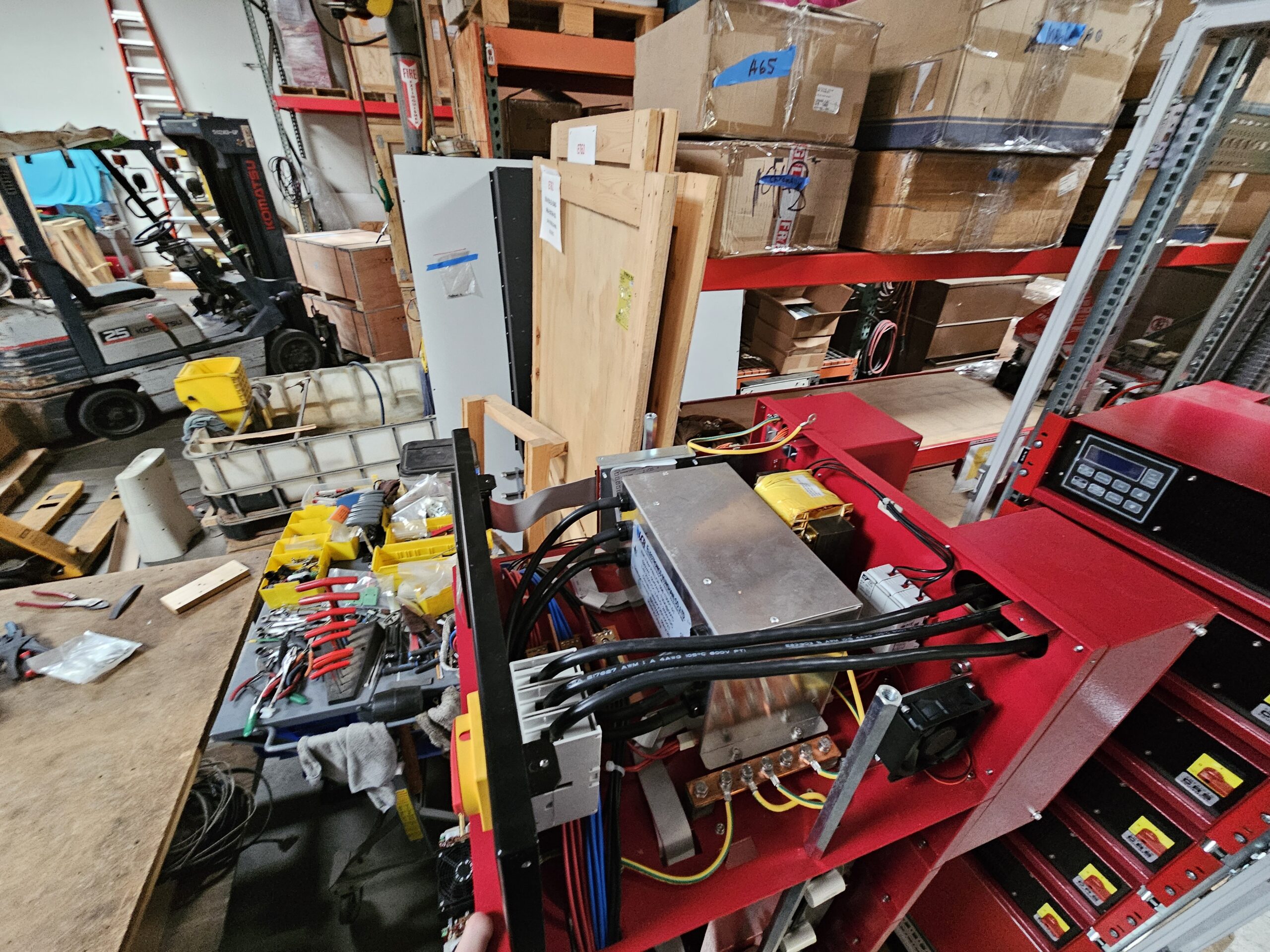
Good maintenance habits extend equipment life, preserve output accuracy, and dramatically reduce the risk of unplanned failures. American CRS supports customers with both Rectifier Repair and Maintenance services and a supply of Rectifier Spare Parts to keep operations running, but a well-trained team catches most issues before they require outside intervention.
Troubleshooting common rectifier faults
When something does go wrong, the ability to diagnose the problem quickly is invaluable. Rectifier training equips operators and technicians with a structured troubleshooting methodology, one that goes beyond “call the manufacturer” and enables faster, more informed decisions on the floor.
Training covers how to identify fault types (output failure, ripple issues, control system faults, cooling problems), interpret diagnostic indicators, and determine whether a problem can be resolved internally or requires specialist support.
This knowledge reduces the average time to resolution and helps facilities avoid the cost of unnecessary service calls.
How Rectifier Training Supports Different Electroplating Applications
Electroplating is not a single, uniform process. Chrome plating, zinc plating, nickel plating, gold plating, each has its own current density requirements, bath chemistry, and process parameters. E-coat and anodizing add further variation.
The rectifier must be configured and operated differently depending on the application. Training helps teams understand these differences and apply the right settings and procedures for each process they run.
For example:
- Electrocoat and e-coat applications require precise voltage control over the coating deposition cycle. Operators need to understand how voltage ramp rates and hold times affect film build and quality.
- Pulse plating applications require understanding of pulse parameters, on-time, off-time, and peak current, and how these interact with the plating bath to influence grain structure and deposit properties.
- Anodizing requires careful current density control throughout the process cycle, with attention to ramp rates and cooling to achieve consistent oxide layer thickness and quality.
A rectifier operator trained across these application areas brings significant value to a multi-process facility.
The Business Case for Investing in Rectifier Training
It’s easy to view training as a cost. The stronger case is to view it as risk mitigation and capability investment.
Consider what a single unplanned rectifier failure actually costs: lost production time, emergency repair fees, scrap from the affected batch, and potential delivery delays to customers. A single major failure can easily exceed the cost of comprehensive team training many times over.
Beyond avoiding failures, trained operators contribute to process improvement. They spot inefficiencies, suggest better maintenance practices, and help facilities get more consistent output from their existing equipment. That kind of operational knowledge compounds over time.
For facilities evaluating used rectifier equipment, American CRS maintains a used rectifier stock list for customers looking for cost-effective solutions, training becomes even more important. Older equipment may have less intuitive interfaces, fewer built-in diagnostics, and a greater need for hands-on maintenance expertise.
Building a Knowledgeable Electroplating Team with American CRS
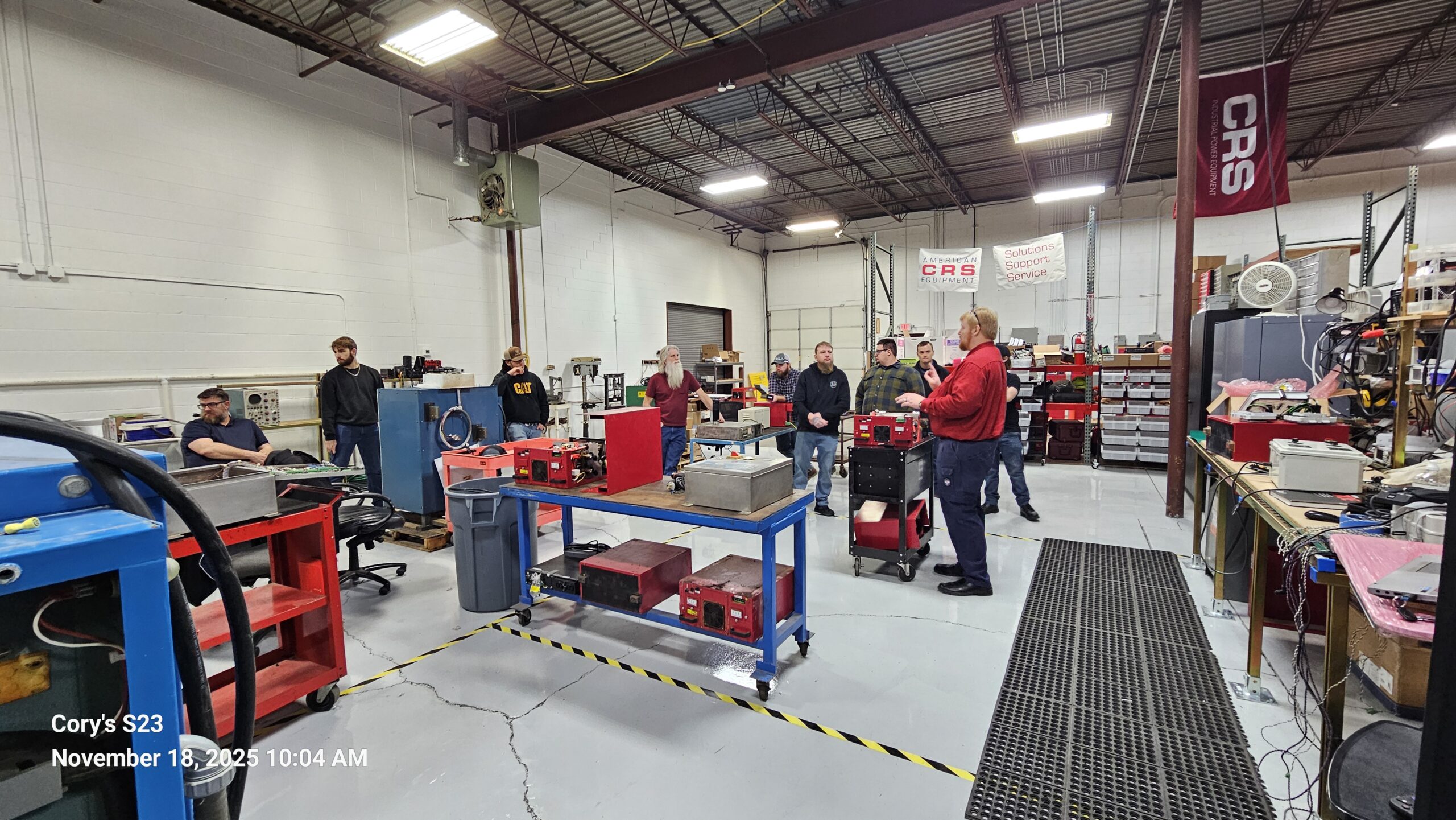
American CRS offers Rectifier Training as part of its broader commitment to customer support and industrial expertise. The goal is straightforward: help customers understand their equipment well enough to operate it confidently, maintain it effectively, and troubleshoot problems without unnecessary downtime.
Training is one part of a wider support ecosystem that includes Rectifier Repair and Maintenance services, Rectifier Spare Parts, technical documentation through the product resources library, and access to expert advice for complex applications.
Whether your facility runs Vega, Quasar, or Sirius Rectifiers, uses an electroplating power supply for precision metal finishing, or operates an e-coat line with specialized electrocoat rectifiers, American CRS provides the support your team needs to keep production running smoothly.
Rectifier Training: A Foundation for Operational Excellence
Consistent plating quality, reliable uptime, and a safe working environment don’t happen by accident. They’re the result of well-maintained equipment operated by knowledgeable people, and rectifier training is a foundational part of that equation.
The facilities that invest in training aren’t just reducing risk. They’re building the internal capability to run better processes, make smarter decisions, and respond faster when challenges arise. That’s a competitive advantage that pays dividends across every production shift.
Ready to strengthen your team’s rectifier knowledge? Explore American CRS Rectifier Training and discover how the right expertise can transform your electroplating operation.
Frequently Asked Questions About Rectifier Training for Electroplating
What is rectifier training for electroplating?
Rectifier training teaches electroplating operators and maintenance technicians how industrial rectifiers work, how to operate them correctly, how to perform preventive maintenance, and how to troubleshoot common faults. Training covers both theoretical fundamentals and practical, hands-on skills relevant to real electroplating environments.
Who should attend rectifier training for electroplating operations?
Rectifier training is valuable for anyone who operates, maintains, or manages electroplating equipment, including plating line operators, maintenance technicians, process engineers, and facility managers. Both new hires and experienced staff benefit, since training reinforces best practices and fills knowledge gaps.
How does rectifier training reduce downtime in electroplating facilities?
Trained staff can identify early warning signs of equipment issues, such as cooling system problems, loose connections, or calibration drift, before they cause failures. Structured troubleshooting knowledge also reduces the time it takes to diagnose and resolve faults when they do occur.
What types of rectifiers are used in electroplating, and do they require different training?
Common rectifier types in electroplating include standard plating rectifiers, pulse plating rectifiers, e-coat rectifiers, and switch mode power supplies. Each has distinct operating characteristics and maintenance requirements, so comprehensive training covers the specific considerations for each technology and application.
Does American CRS offer rectifier training for customers?
Yes. American CRS provides Rectifier Training as part of its customer support services, helping electroplating operations build the internal knowledge needed to run equipment effectively and minimize downtime. American CRS also offers Rectifier Repair and Maintenance services, Rectifier Spare Parts, and technical resources to support ongoing operations.
How does rectifier performance affect plating quality?
The rectifier controls the current and voltage delivered to the plating bath. Inaccurate or unstable output leads to uneven deposit thickness, adhesion problems, or surface defects. A well-maintained and correctly operated rectifier is essential for achieving consistent, high-quality plating results.