
When your operations rely on consistent power, equipment downtime isn’t just an annoyance; it’s a direct hit to your bottom line. For industries like electroplating and anodizing, the heart of the operation is the power supply. Keeping that heart beating strongly requires a proactive approach to care. Neglect it, and you face costly interruptions. Nurture it, and you ensure years of reliable service.
Maintaining an industrial power supply helps you get the most out of your investment while safeguarding the quality of your finished products. Whether you are running a standard plating rectifier or a complex Pulse Plating Rectifier, understanding the nuances of repair and maintenance is key to operational success. This guide explores how to keep your systems running at peak efficiency, ensuring your facility remains productive and competitive.
The Importance of Routine Rectifier Repair and Maintenance
Think of your rectifier like a high-performance vehicle. It works hard every day, converting AC to DC power to drive critical chemical processes. Over time, components wear down, connections loosen, and dust accumulates. Without regular attention, these minor issues can escalate into catastrophic failures.
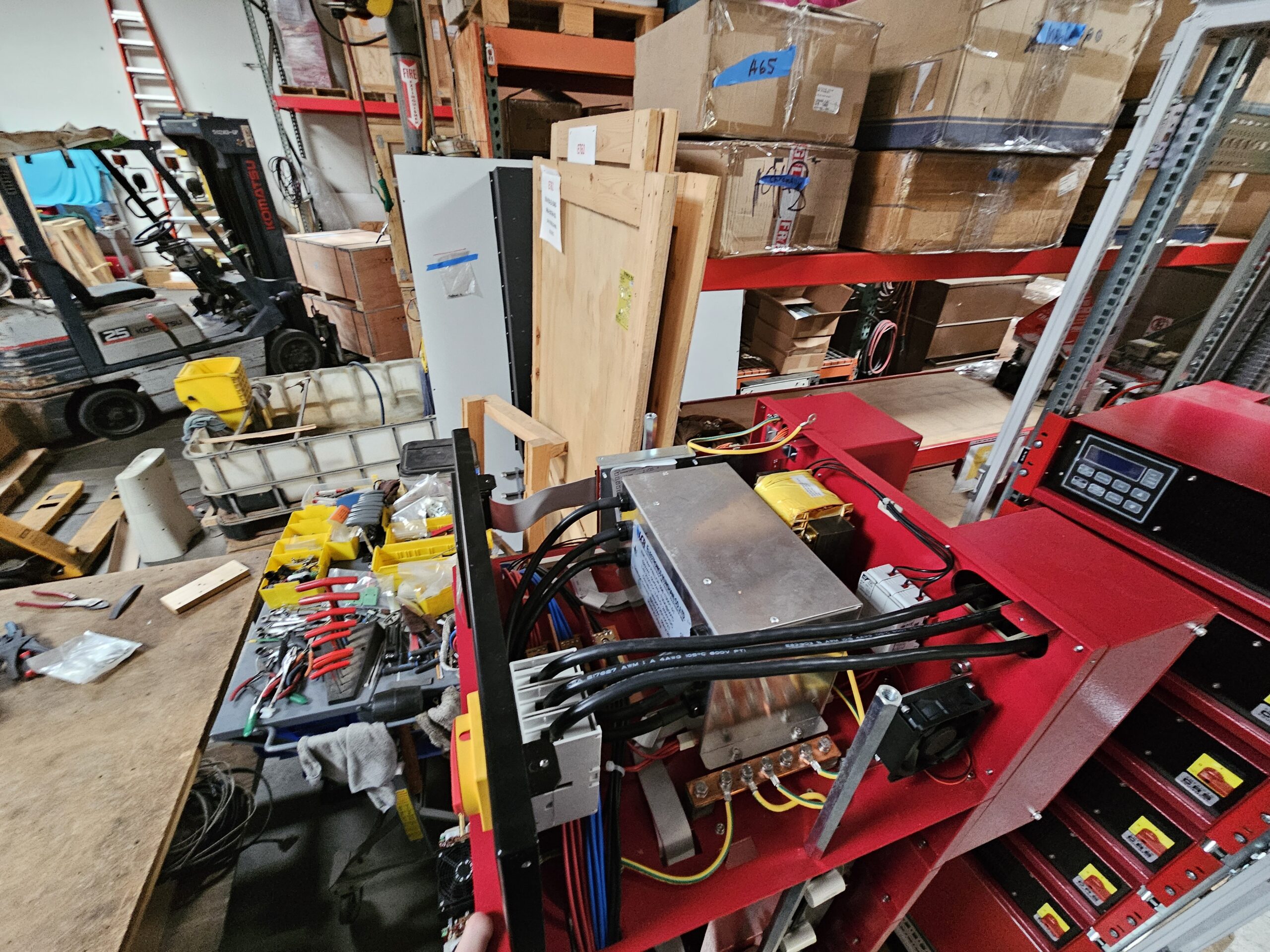
Implementing a scheduled Rectifier Repair and Maintenance program is the best defense against unexpected shutdowns. Routine checks allow technicians to spot early warning signs such as overheating components or erratic voltage output before they halt production. This proactive strategy extends the lifespan of your equipment and ensures consistent quality in applications like electroplating and e-coating.
Common Signs Your Rectifier Needs Attention
How do you know when it’s time to call in the experts? Your equipment will often tell you. Keep an eye out for these indicators:
- Inconsistent Output: If your voltage or amperage fluctuates unexpectedly, your plating quality will suffer.
- Overheating: Excessive heat often points to cooling fan failures or clogged air filters.
- Unusual Noises: Buzzing or humming sounds can indicate loose internal components or transformer issues.
- Error Codes: Modern switch mode power supply units often display specific error codes that require immediate troubleshooting.
Mastering the Basics of Industrial Power Supply Care
At American CRS Equipment, we’ve spent over 26 years specializing in power solutions for the galvanic and surface finishing industries. We know that different machines have different needs. However, the core principles of maintenance remain consistent across most units.
Keep It Clean and Cool
Heat is the enemy of electronics. An industrial power supply generates significant heat during operation, which must be dissipated effectively. Dust and grime from the factory floor can clog air intakes and heat sinks, trapping heat inside the unit. Regularly cleaning filters and ensuring unobstructed airflow is one of the simplest yet most effective maintenance tasks you can perform.
Check Connections Tightness
Vibration is common in industrial environments. Over time, this can cause electrical connections to loosen. A loose connection increases resistance, which leads to heat buildup and potential arcing. During scheduled downtime, ensure that all terminal connections are torqued to the manufacturer’s specifications.
Inspect for Corrosion
Given that many rectifiers operate in chemical-heavy environments like plating shops, corrosion is a constant threat. Fumes can penetrate the cabinet and corrode internal circuitry. Regular inspections help identify corrosion early, allowing for cleaning or part replacement before the damage becomes irreversible.
Specialized Care for Different Rectifier Types
While general maintenance is universal, specific types of rectifiers have unique requirements. Tailoring your approach to the specific technology you use whether it’s an Electroplating Rectifier or an Electrocoat and E-Coat Rectifier ensures better results.
Maintaining Your Electroplating Rectifier
An Electroplating Rectifier is the workhorse of the metal finishing industry. These units often run continuously for long shifts. Maintenance here should focus heavily on the cooling systems (water or air) and the integrity of the DC output busbars. Ensuring clean, tight contact points prevents voltage drops that can ruin a batch of plated parts.
Pulse Plating Rectifier Maintenance
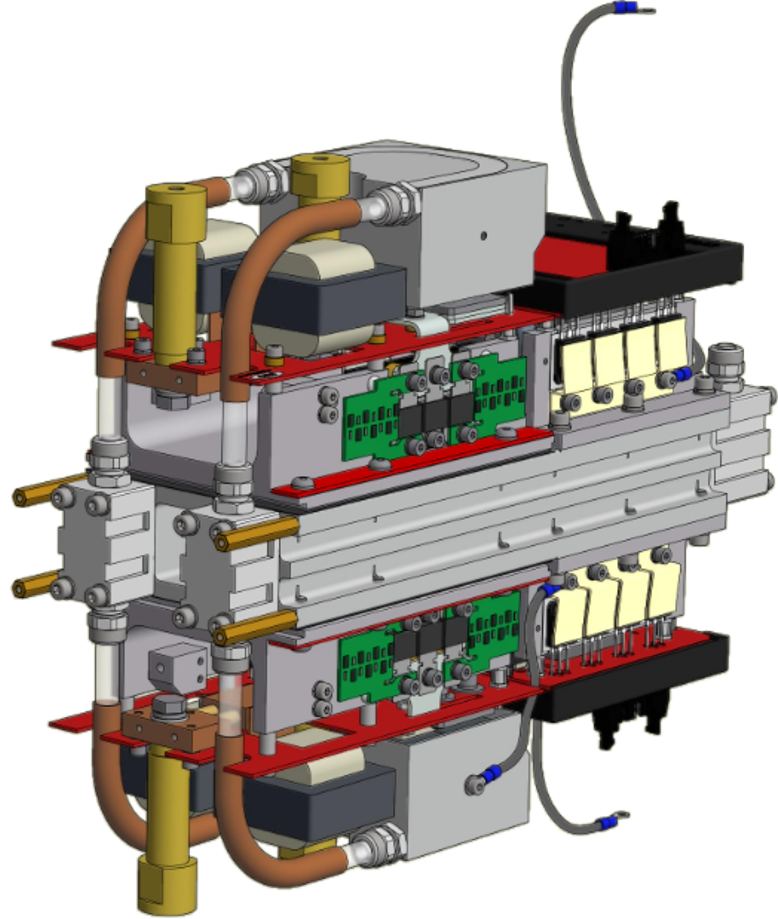
A Pulse Plating Rectifier is more complex than a standard DC unit. It switches output on and off rapidly to improve plating distribution and density. This rapid switching places extra stress on internal components like IGBTs (Insulated Gate Bipolar Transistors). Maintenance for these units requires specialized diagnostic tools to ensure the pulse waveforms remain accurate and sharp.
Switch Mode Power Supply Considerations
Modern facilities are increasingly adopting Switch mode power supply technology for its energy efficiency and compact size. These units rely on complex electronics and high-frequency switching. Unlike older oil-cooled units, switch-mode supplies are often modular. This design allows for easier repairs if a module fails, it can often be swapped out quickly. However, it also means that the electronic control boards must be kept free of dust and moisture to prevent short circuits.
The Value of Rectifier Training
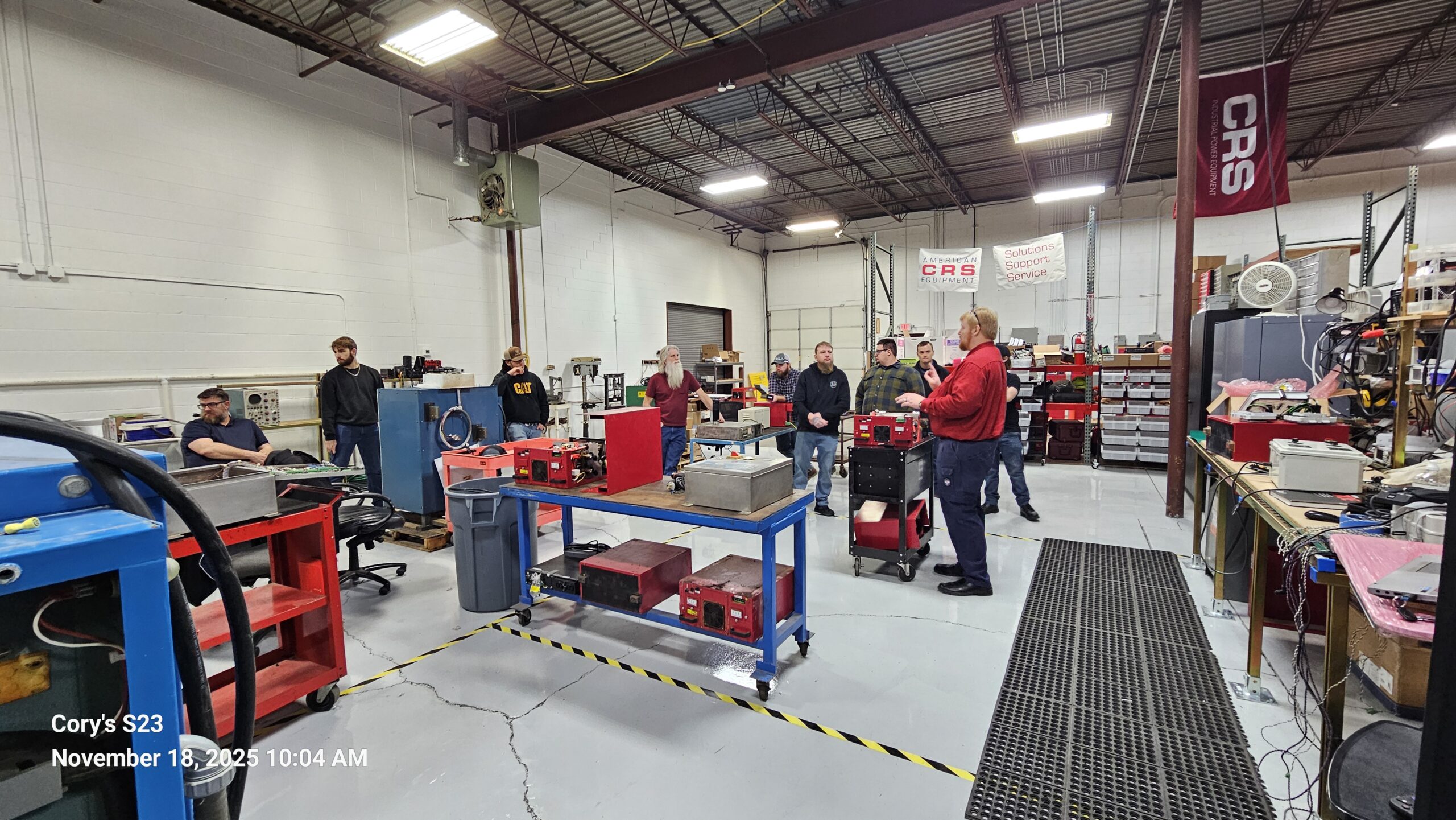
Even the best maintenance plan falls short if your team doesn’t know how to execute it. Investing in Rectifier Training for your maintenance staff is invaluable. When your team understands the equipment how to read the schematics, interpret error logs, and perform safe lock-out/tag-out procedures they become the first line of defense against downtime.
Training empowers your staff to handle minor issues internally, saving time and money on service calls. It also helps them recognize when a problem is beyond their scope and requires professional intervention. American CRS Equipment supports this empowerment, ensuring your team feels confident managing the sophisticated power solutions driving your business.
Sourcing Quality Rectifier Spare Parts
When a component fails, speed is of the essence. Having access to the right Rectifier Spare Parts can mean the difference between a few hours of downtime and a few weeks of lost production.
It is advisable to keep a stock of critical spare parts on-site. Common items include:
- Cooling fans
- Control boards
- Fuses
- IGBT modules
Using OEM (Original Equipment Manufacturer) parts is crucial. While generic alternatives might be cheaper upfront, they often lack the precise specifications required for high-performance electroplating power supply units. Genuine parts ensure your equipment operates exactly as designed, maintaining efficiency and safety standards.
Why Professional Support Matters
While in-house maintenance is essential, there comes a time when professional expertise is non-negotiable. Complex repairs, major overhauls, and annual calibrations often require equipment and knowledge that general maintenance teams may not possess.
American CRS Equipment offers comprehensive support and service to bridge this gap. With a global reach and over two decades of experience, we provide more than just hardware. We offer peace of mind. Our technicians understand the intricacies of galvanic industries, from anodizing aluminum to complex PCB manufacturing. We collaborate closely with you to ensure your repair and maintenance strategy aligns with your production goals.
Comprehensive Needs Assessment
We don’t just fix what’s broken; we look at the bigger picture. Our consultation process evaluates your specific applications whether you are doing salt splitting electrolysis or precision electroforming. We help you determine if your current maintenance schedule is adequate or if it’s time to upgrade to more efficient, durable technology.
Taking the Next Step in Power Reliability
Your rectifiers are the silent partners in your production success. They work tirelessly to ensure every volt and amp is delivered with precision. By prioritizing Rectifier Repair and Maintenance, upgrading your knowledge through Rectifier Training, and keeping critical Rectifier Spare Parts on hand, you protect that partnership.
Don’t wait for a failure to think about the health of your power supplies. A proactive stance on maintenance ensures optimal performance, extends the life of your equipment, and ultimately drives the success of your business.


One Response