Switch mode power supplies (SMPS) are generally better than traditional linear power supplies for most industrial plating and surface finishing applications. They offer higher energy efficiency (often 85% to 95%), smaller size, lower weight, and reduced heat output. Traditional supplies still suit a few low-noise, low-power needs, but modern operations benefit far more from switch mode technology.
Choosing the right power supply for your plating line shapes everything from energy bills to product quality. If you run an electroplating shop, an anodizing operation, or any surface finishing process, the rectifier you pick matters more than you might think. So which one comes out on top: a switch mode power supply or a traditional one?
This guide breaks down both technologies in plain language. You will learn how each works, where they shine, and why so many plating professionals have made the switch. We will also look at how American CRS Equipment helps businesses across galvanic and surface finishing industries get reliable, efficient power tailored to their needs.
Let’s plug in and get started.
What is a power supply in electroplating?
A power supply, often called a rectifier in this context, converts incoming alternating current (AC) from your facility into direct current (DC). Plating processes need steady, controllable DC to deposit metal evenly onto a surface. Without clean, stable power, your finish can suffer from pitting, uneven coating, or wasted material.
There are two main types of rectifier technology used today:
- Traditional (linear) power supplies, which rely on large transformers operating at line frequency.
- Switch mode power supplies (SMPS), which use high-frequency switching to regulate output.
Both deliver DC power. The difference lies in how efficiently and precisely they do it.
How does a traditional power supply work?
A traditional, or linear, power supply uses a heavy transformer to step down voltage at the standard line frequency of 50 or 60 Hz. After that, the current passes through rectifying components and filters to produce a smooth DC output.
This design has been around for decades, and it does have a few strengths:
- Simple design with fewer complex electronics.
- Low electrical noise, which suits sensitive lab work.
- Stable output under steady conditions.
The trade-offs, however, are hard to ignore. Traditional supplies are large and heavy because of their bulky transformers. They waste a good deal of energy as heat, which means higher cooling costs and a bigger power bill. For high-current plating lines, that inefficiency adds up fast.
How does a switch mode power supply work?
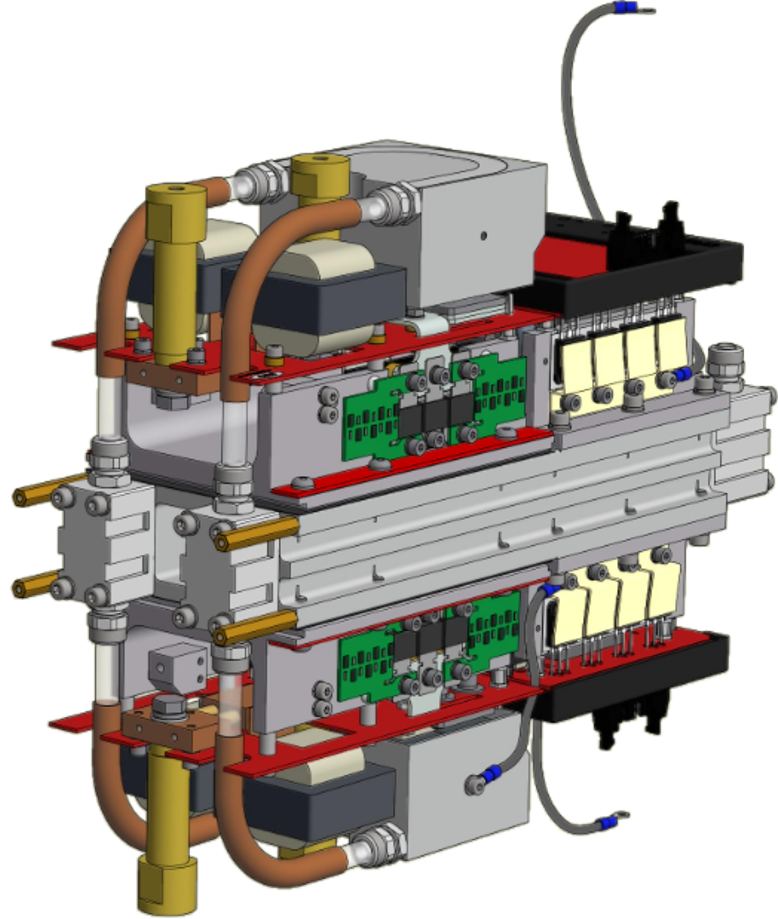
A switch mode power supply takes a smarter approach. Instead of relying on a large line-frequency transformer, it switches the current on and off at very high frequencies, often tens of thousands of times per second. This allows the use of much smaller transformers and components.
The result is a compact, lightweight unit that wastes very little energy. At American CRS Equipment, our industrial power supplies use advanced switch mode technology to deliver reliable, energy-efficient performance built for demanding production environments.
Key advantages of switch mode technology include:
- High efficiency, typically between 85% and 95%.
- Compact, space-saving design that frees up floor space.
- Lower heat output, which reduces cooling needs.
- Precise output control for consistent plating results.
- Modular and expandable configurations for growing operations.
If you want to explore options, our range of switch mode and DC power supplies covers everything from compact desktop units to high-capacity production rectifiers.
Switch mode vs traditional power supply: side-by-side comparison
The easiest way to weigh both options is to see them next to each other. Here is how they stack up across the factors that matter most for plating and surface finishing.
| Feature | Switch Mode Power Supply | Traditional (Linear) Power Supply |
| Energy efficiency | 85% to 95% | 50% to 70% |
| Size and weight | Compact and lightweight | Large and heavy |
| Heat generation | Low | High |
| Output control | Precise and adjustable | Less precise |
| Operating cost | Lower over time | Higher over time |
| Scalability | Modular and expandable | Limited |
| Electrical noise | Slightly higher (manageable) | Very low |
| Best suited for | Most industrial plating lines | Niche low-noise applications |
For the vast majority of electroplating power supply needs, the switch mode option delivers better value, lower running costs, and a smaller footprint.
Why energy efficiency makes such a big difference
Energy efficiency is more than a nice extra. In a busy plating shop running high currents around the clock, even a small efficiency gain translates into real savings.
Consider a few benefits of a more efficient industrial power supply:
- Lower utility bills thanks to less wasted energy.
- Reduced cooling costs because less heat is generated.
- Smaller environmental footprint from lower power draw.
- Longer equipment life since components run cooler.
A traditional supply that converts only 50% to 70% of its input into usable output wastes the rest as heat. A switch mode unit running at 90% efficiency keeps far more of that energy where you want it. Over months and years, the difference can fund other upgrades to your line.
Which power supply is right for your application?
The best choice depends on what you do. Here is a simple way to think about it.
Choose a switch mode power supply if:
- You run electroplating, anodizing, or electrolytic processes at scale.
- Energy efficiency and operating cost matter to your bottom line.
- Floor space is tight and you want a compact footprint.
- You expect to expand and want modular, scalable power.
- You need precise, repeatable control over your plating results.
A traditional power supply may still suit you if:
- You work in a low-power lab where electrical noise must be near zero.
- Your process is small, fixed, and unlikely to grow.
For most surface finishing operations, switch mode wins on efficiency, size, and long-term cost. That is exactly why American CRS Equipment focuses on advanced switch mode rectifiers built for the galvanic and surface finishing industries.
Power supply options from American CRS Equipment
Founded in 1998, American CRS Equipment has spent more than two decades designing dependable power solutions for electroplating, anodizing, electroforming, and electrolytic applications. Our modular switch mode rectifiers are built for durability, efficiency, and easy service.
Here is a quick look at our main rectifier families:
| Rectifier Series | Best For | Highlights |
| Sirius S075 | Compact plating and anodizing | Stable, efficient power in a small package |
| Quasar Series | Growing shops and production lines | Rack, wall, desktop, and vertical mounts; expandable |
| Vega Series | Heavy-duty continuous production | Up to 20,000A, front-access service, pulse plating capable |
Each unit supports features that make daily operation easier, including amp-hour counters, ramp control, reverse polarity protection, and pulse plating capability. Many models also work as a pulse plating rectifier for processes that need fine control over deposition.
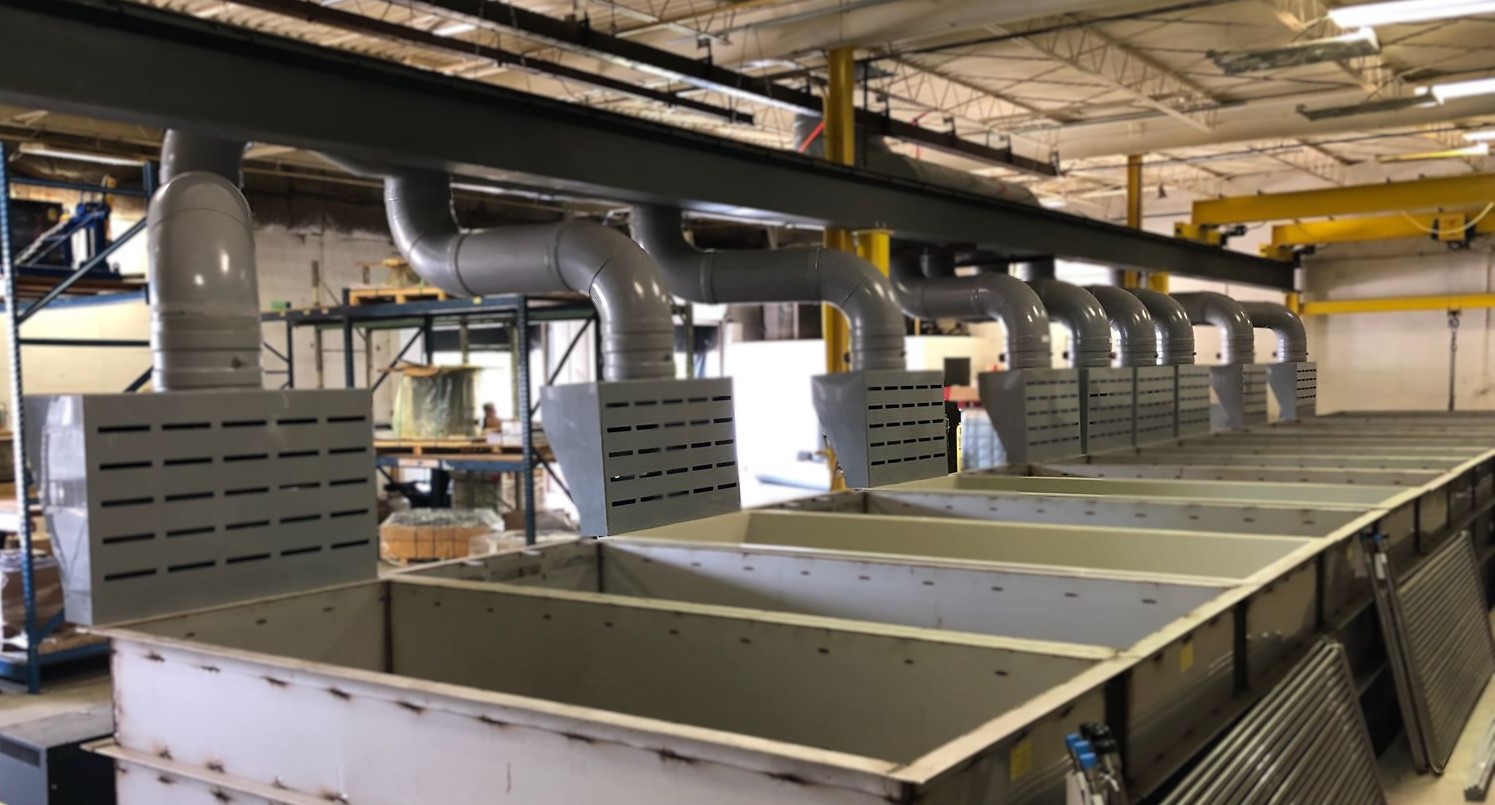
If you prefer a budget-friendly route, our used power supplies offer reliable performance at a lower cost. And when your line needs more than just a rectifier, we also supply pumps, tanks, and additional plating equipment to round out your setup.
Keeping your rectifier running at peak performance
Even the best plating rectifier needs proper care. Regular service protects your investment, prevents costly downtime, and keeps your finishes consistent.
American CRS Equipment offers a full range of support services, including:
- Field service for emergency breakdowns and on-site troubleshooting.
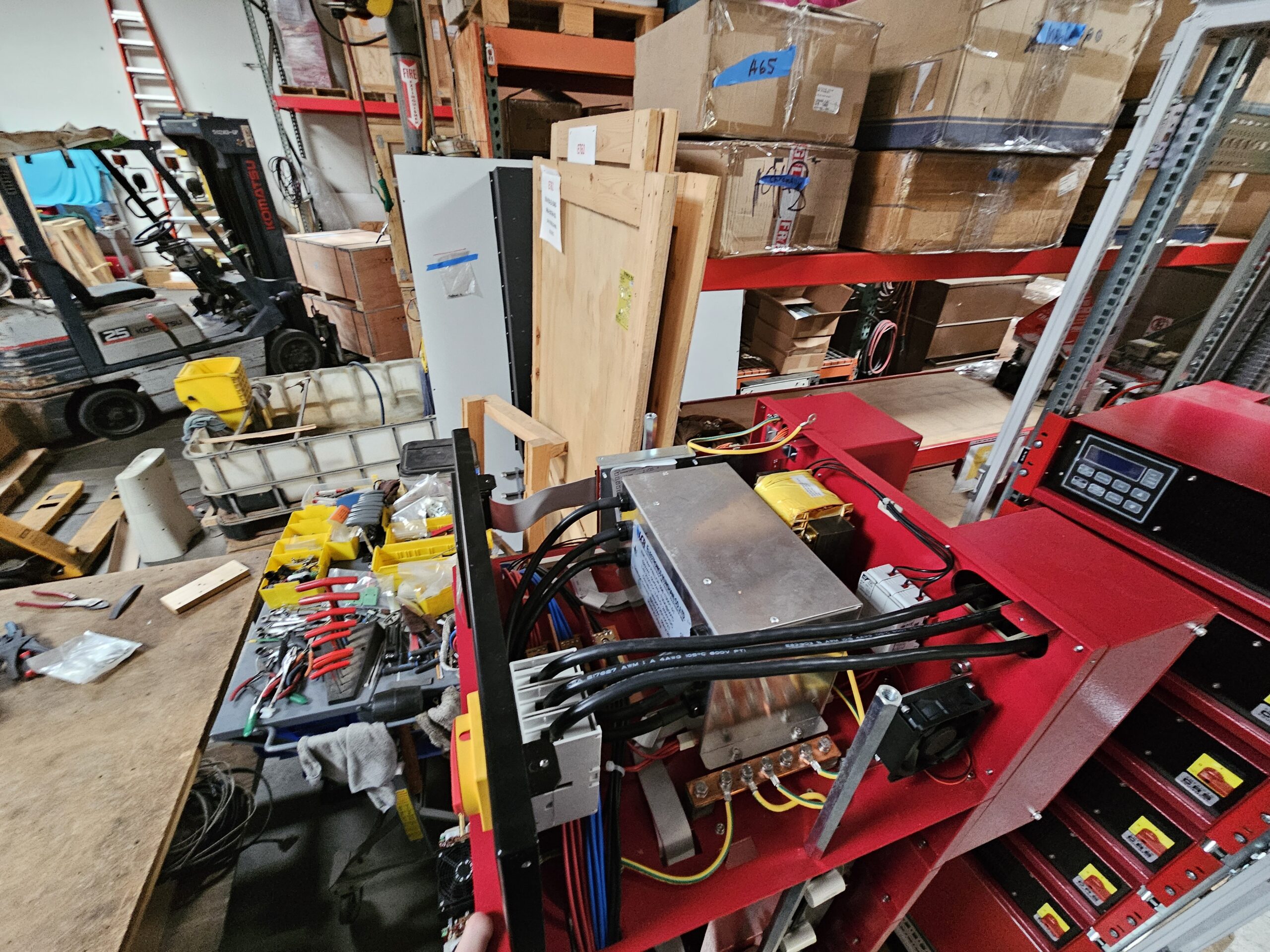
- In-house rectifier repair and maintenance with full load testing before return.
- Preventative maintenance programs that catch problems before they happen.
- Startup and commissioning to validate new or repaired equipment.
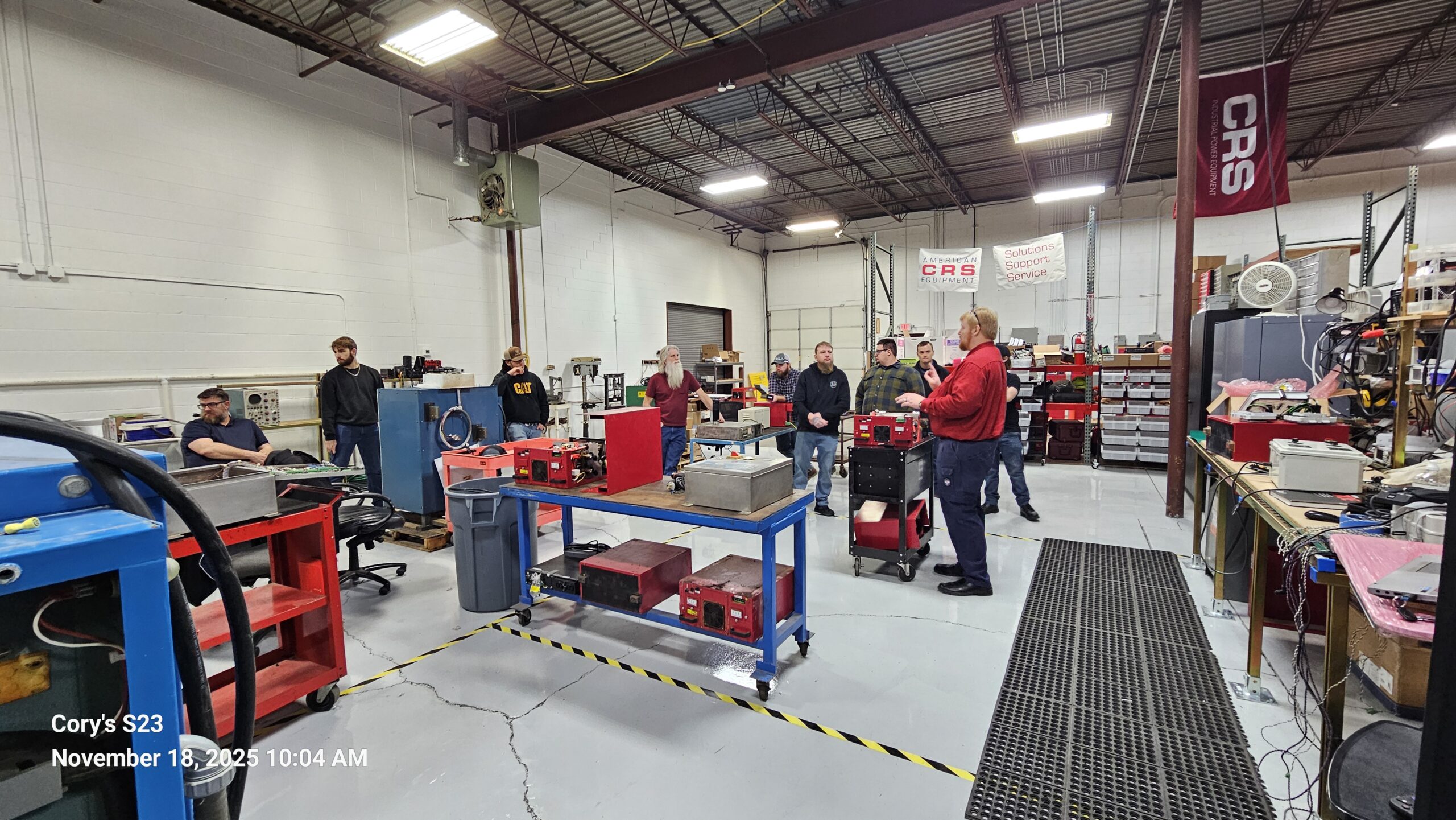
- Hands-on rectifier training delivered at your facility.
Our team services all rectifier brands and models, including legacy and custom builds. Learn more about our service and safety programs, or explore our rectifier training options to help your team handle more in-house.
We also keep rectifier spare parts on hand to speed up repairs and reduce the time your line sits idle. The goal is simple: keep your equipment safe, efficient, and productive for years.
The bottom line on switch mode vs traditional power supplies
For most plating, anodizing, and surface finishing operations, a switch mode power supply is the smarter choice. It runs more efficiently, takes up less space, generates less heat, and lowers your operating costs over time. Traditional linear supplies still have a place in a few low-noise, low-power settings, but they simply can’t match switch mode technology for modern industrial use.
If you are ready to upgrade your line or replace aging equipment, the team at American CRS Equipment can help you find the right fit. Explore our full range of power supplies, learn more about our company, or get a quote tailored to your application.
Reliable power keeps your business moving. Let’s make sure yours never skips a beat.
Frequently asked questions
What is the main difference between a switch mode and a traditional power supply?
The main difference is how each one regulates power. A traditional (linear) power supply uses a large transformer at line frequency, which makes it bulky and less efficient. A switch mode power supply switches current at high frequencies, allowing a smaller, lighter design with much higher energy efficiency, usually between 85% and 95%.
Is a switch mode power supply better for electroplating?
Yes, for most electroplating applications a switch mode power supply is the better choice. It delivers precise, adjustable DC output, runs cooler, costs less to operate, and takes up less floor space. These benefits make it ideal for both small shops and high-volume production lines.
Are traditional power supplies still useful?
Traditional power supplies remain useful in a few niche cases, mainly low-power lab settings where extremely low electrical noise is essential. For most industrial plating, anodizing, and electrolytic processes, however, switch mode technology offers better efficiency and value.
How much energy can I save by switching to a switch mode power supply?
Savings vary by application, but the gap is significant. Traditional supplies often run at 50% to 70% efficiency, while switch mode units commonly reach 85% to 95%. That difference can sharply reduce both your power and cooling costs, especially on high-current lines running around the clock.
Does American CRS Equipment service power supplies it did not manufacture?
Yes. American CRS Equipment services all rectifier brands and models, including legacy equipment and custom builds. Services include field service, in-house repair, preventative maintenance, startup and commissioning, and on-site rectifier training.